sideboards buying guide
everything you need to know
a sideboard is the most adaptable piece of storage furniture a Hong Kong home can own. in one apartment it stands beside the dining table holding dinnerware and serving Sunday lunch from its top; in another it runs along a living room wall keeping the everyday out of sight; in a third it greets you in the hallway with a bowl for keys and a drawer for everything else.
wherever you place it, this versatile piece brings order to whichever room needs it most, and keeps doing so for decades. we have been helping Hong Kong customers choose wood sideboards and cabinets for over 20 years, and we find that five considerations guide almost every good decision: the room and the job you are buying it for, the size and proportion your wall can take, the mix of doors, drawers and shelves inside, the material it is made from, and the details that make it yours.
1. which room, and which job?
before you land on a sideboard, you’ll need to decide which room it’ll be in. the same piece works very differently depending on where it stands, so it pays to be honest about the use you are buying it for before you compare designs.
in the dining room, a sideboard is the dining table’s natural partner. its closed compartments keep dinnerware, serveware and crockery neatly out of sight but within arm’s reach of the table, and its top becomes a serving surface when you host: dishes can be laid out buffet-style, which clears up space on the table. in the living room the function shifts to order and display; the everyday goes behind the doors, while the top carries the things you actually want to look at. in a hallway, a slimmer sideboard becomes the landing strip of the home, with a catch-all on its surface for your keys and mail so that they’re neatly in one place.
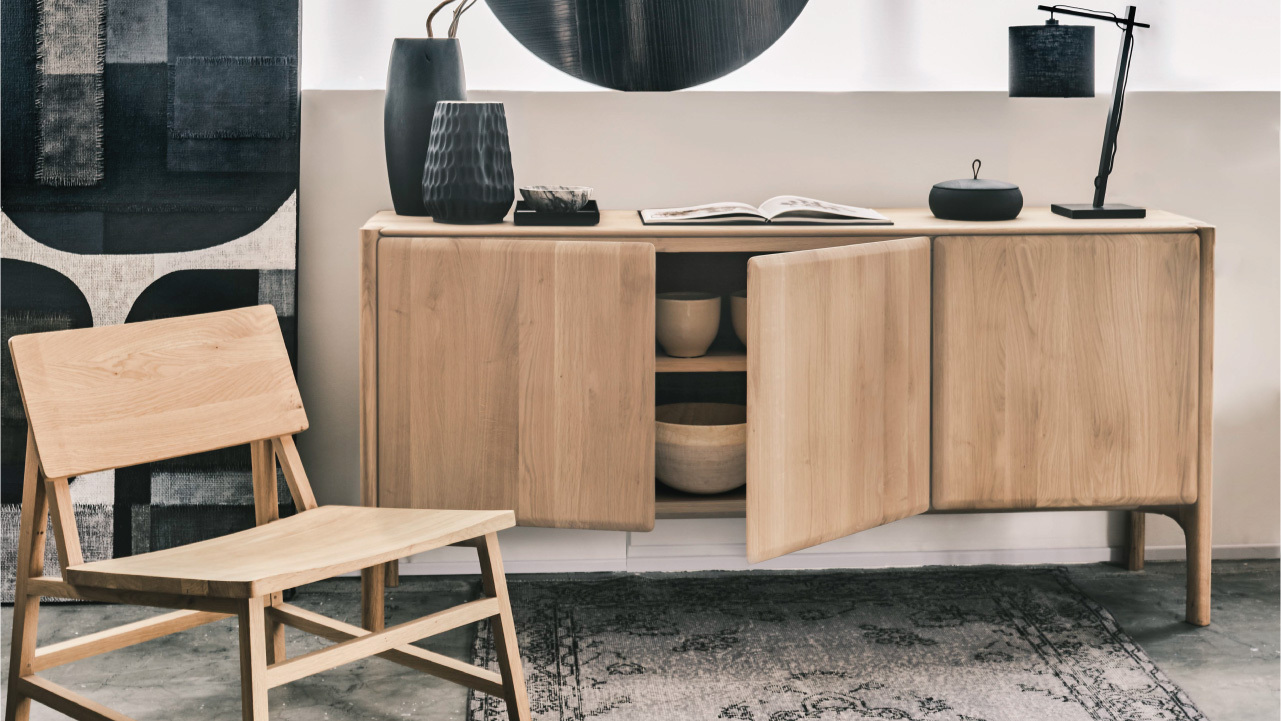
there is a shape decision hiding inside the room decision too. a sideboard’s long, low profile visually lengthens your room, which flatters the proportions of most Hong Kong living and dining spaces; a taller cabinet’s slender verticality draws the eye upward instead, creating a sense of height where floor space is tight. our range covers both, so the question is which direction your room needs stretching.
one piece, several lives
in a city where many of us move every few years, a sideboard is a purchase that adapts rather than expires: the dining room sideboard in one apartment can be the hallway piece or the living room anchor in the next one. buying the best quality you can is buying flexibility, not only furniture.
2. size and proportion: reading your wall
once you’ve determined where you’ll be placing your sideboard, you’ll want to ensure that your piece sits proportionally well with the wall it will stand against. as a general guide, a sideboard looks most settled when it fills roughly two-thirds to three-quarters of its wall, with clear space at either end; a piece that runs edge to edge feels wedged in, while one that is too short for its wall looks like it is waiting for company.
our sideboards and cabinets are 80–250cm wide, so there is a comfortable match for everything from a studio hallway to a full dining room wall, and if you are pairing one with a dining table, a sideboard somewhat shorter than the table keeps the two in easy proportion: as a general guide, a 180cm table sits happily alongside a 120–150cm sideboard.
height is where the sideboard earns its serving role. most sideboards are 75–90cm tall, which places the top at a natural height for serving dishes and for reaching things without bending; our range runs 60–95cm, so lower, longer pieces for under windows and taller cabinets for tighter footprints are both covered. depth is the third measurement to consider: our pieces are 40–50cm deep, enough for dinner plates and serving bowls inside without pushing the piece into the walkway.
key measurements for Hong Kong rooms
| measurement | as a general guide |
|---|---|
| width against the wall | two-thirds to three-quarters of the wall length |
| clearance at each end | around 30 cm of breathing room |
| walkway in front | 60–80 cm; more where dining chairs pull back into it |
| height | 75–90 cm is typical; our range is 60–95 cm |
| depth | 40–50 cm across our range |
| doorframe width | 76–80 cm is standard in Hong Kong; check before ordering |
our sideboards and cabinets at a glance
| dimension | our range |
|---|---|
| width | 80–250 cm |
| depth | 40–50 cm |
| height | 60–95 cm |
the one clearance people forget is the dining chair. if your sideboard is placed alongside the table, someone pushing their chair back should not meet it; sit in the chair, slide it back naturally, and measure from there. before you commit, mark the footprint on the floor with masking tape and live with it for a day; walking past it might tell you more than any floor plan.
most of our customers come to our shops with an idea of the maximum size they can fit into their space, and typically plan to place the sideboard against a wall near their dining area. they often want to peruse our selection in-person to understand the different sizes and determine which one will best suit their needs.
above are some of the key measurements that you may want to keep in mind finding your ideal sideboard. if you plan to drop by, be sure to bring your floor plan and we can make recommendations. if access to your building or apartment is the worry, talk to us before ruling anything out: our delivery team can carry pieces up the stairs of walk-up buildings for an additional charge.
3. doors, drawers and shelves: what lives inside
to ensure that your sideboard works hard for you, we always recommend taking a look at its inside configuration to determine whether it suits your needs. our range runs from one to four doors, with or without drawers or open shelves, so the starting point is an inventory: what, exactly, is this piece going to hold?
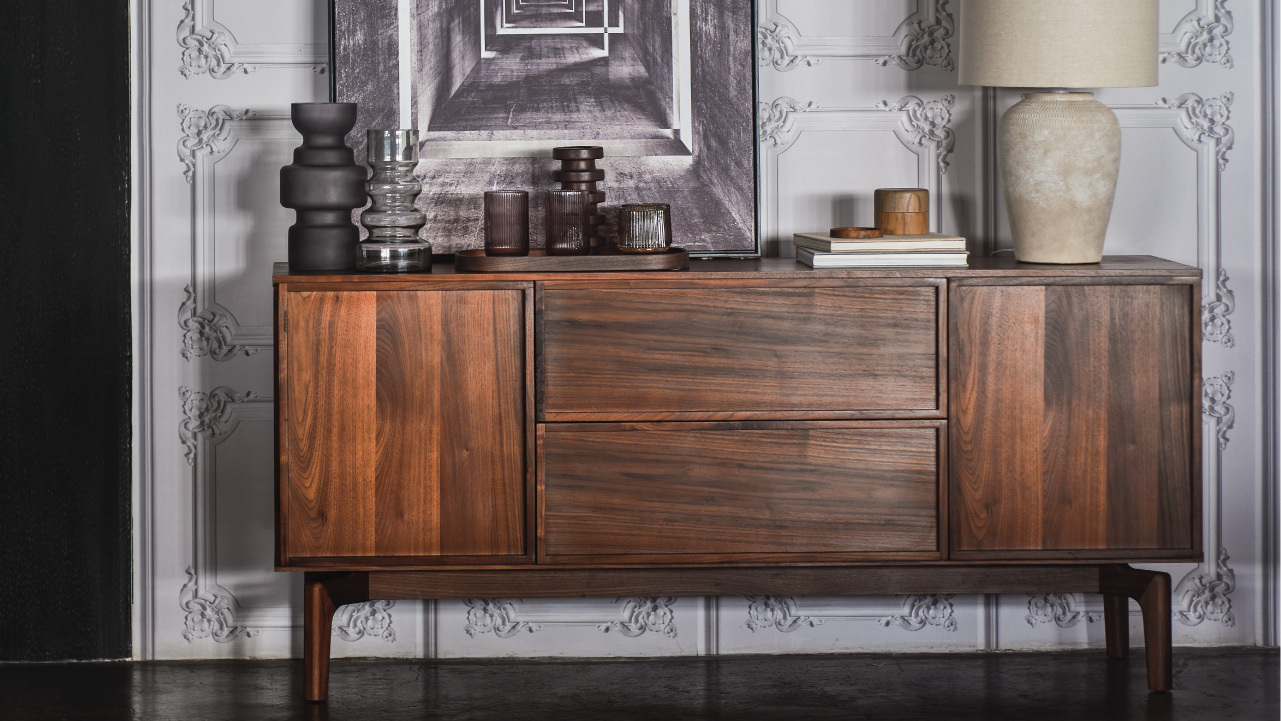
closed compartments are the heart of most sideboards: ample space suited to dinner plates, serving bowls, glassware and linens, kept dust-free behind the doors. many of our sideboards and cabinets offer spacious closed compartments with removable shelves, so the internal heights adjust to what you own rather than the other way around: tall vases and stacked plates can share the same cupboard. drawers suit the smaller things that closed cupboards swallow: cutlery, napkins, placemats, candles, the drawer of useful objects every home accumulates. meanwhile, open shelves put favourite pieces on display while keeping them in reach, a natural home for the ceramics or glassware you would rather see than store.
the hardware matters more than it seems in the showroom. selected designs in our range feature soft-closing drawers with quality European hardware; drawers you will open several times a day should close with a hush rather than a bang, and hardware built to that standard keeps doing it for years.
storage configurations compared
| configuration | best for | worth considering |
|---|---|---|
| closed cupboards | dinnerware, serveware, linens; dust-free storage | removable shelves make heights adjustable |
| drawers | cutlery, placemats, candles, small essentials | soft-closing hardware earns its keep with daily use |
| open shelves | display pieces you want in view and in reach | contents on show; a little more regular dusting |
| mixed (doors + drawers or shelves) | most Hong Kong homes; flexibility as needs change | think about which side faces the main walkway |
4. wood and material: what performs in Hong Kong
a sideboard shows more surface than almost any other storage piece: a long top, a full face of doors and drawers, all at eye level when seated. material choice therefore does double duty, aesthetic and practical, and in Hong Kong’s subtropical conditions the practical half matters. every wood piece in our range is treated throughout sourcing and production to be at home in Hong Kong homes. our sideboards are produced in Indonesia, Serbia and Vietnam; as a brand committed to sustainability, we hold every one of those workshops to the same standards we hold ourselves.
the materials we work with
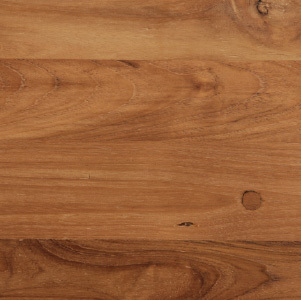
reclaimed teak
weathered surfaces, elegant textures and original markings. salvaged timber: no new trees felled.
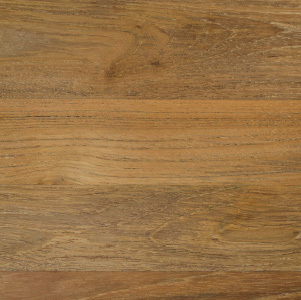
FSC™-certified teak & plantation teak
consistent golden-brown tones; a more uniform grain. certified from responsibly managed forests.
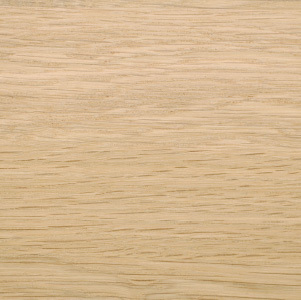
European oak
light, creamy tones with subtle golden-brown grain and a fine, even texture.

mahogany
deep brown hues that give way to a rich, warm and inviting look.
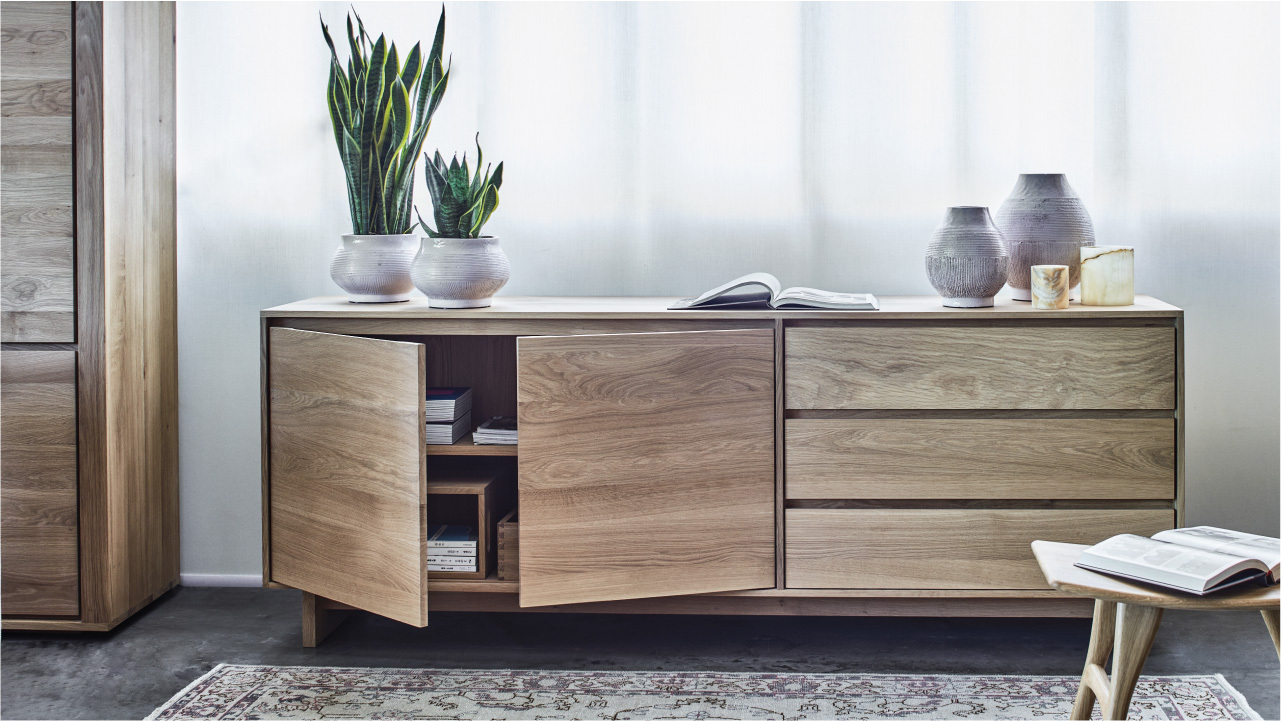
reclaimed teak. we work closely with our longstanding partner dBodhi, whose wood is salvaged from century-old Indonesian houses, properly documented and hand-sorted by craftsmen before it is repurposed. weathered surfaces and original markings make each piece truly one of a kind, and centuries of natural conditioning leave the timber denser and more climate-stable than plantation-grown alternatives. no new trees are felled for it: sustainability you can see in the grain.
FSC™-certified solid teak and plantation teak. consistent golden-brown tones and a cleaner, more uniform grain, certified from responsibly managed forests. it shares teak’s warmth, density and natural moisture resistance with a more even look, for classic and contemporary rooms.
European oak. light, creamy tones with subtle golden-brown grains and a fine, even texture; prized for strength, stability and a natural resistance to wear. the natural partner for japandi, Scandinavian and minimalist rooms.
mahogany. a tropical hardwood renowned for its durability, straight grain, and deep brown hues that deepen with age. it is naturally resistant to moisture changes, which makes it particularly well suited to Hong Kong homes, and it is sustainably sourced.
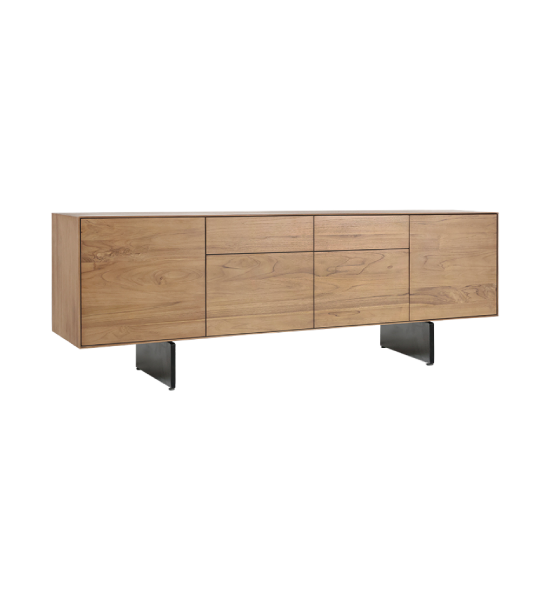
some designs in our range combine wood with iron or metal detailing: sleek iron legs or frames that lift the piece visually and bring an industrial edge to the timber’s warmth.
the materials at a glance
| material | appearance | best style | sustainability |
|---|---|---|---|
| reclaimed teak | weathered, characterful; every piece unique | wabi sabi, rustic, mid-century | salvaged: no new trees felled |
| FSC™-certified teak and plantation teak | golden-brown; consistent grain | classic, contemporary | FSC™-certified forest management, well-managed forests |
| European oak | light, creamy; fine even grain | japandi, Scandinavian, minimalist | responsibly sourced |
| mahogany | deep brown; deepens with age | traditional, warm contemporary | sustainably sourced |
Kate Babington, Managing Director at TREE
“a sideboard is a versatile piece that earns its place in almost any home, whether in the dining room, living room, or hallway. because a sideboard is designed to be used every day, it’s worth investing in one made that is thoughtfully made – a piece with quality hardware and expert craftsmanship (such as sturdy joinery) ensures that your piece will age gracefully whilst living through your best moments for many years to come.”
5. style and the details that make it yours
with the practical decisions settled, the style decision becomes a pleasure rather than a gamble. our selection ranges from raw and rustic, mid-century modern, minimalist, modern industrial to contemporary designs with clean lines and natural warmth, so the reliable approach is to let the room’s existing timber and tone lead: matched or closely related woods give a compact room a calmer, more deliberate feel.
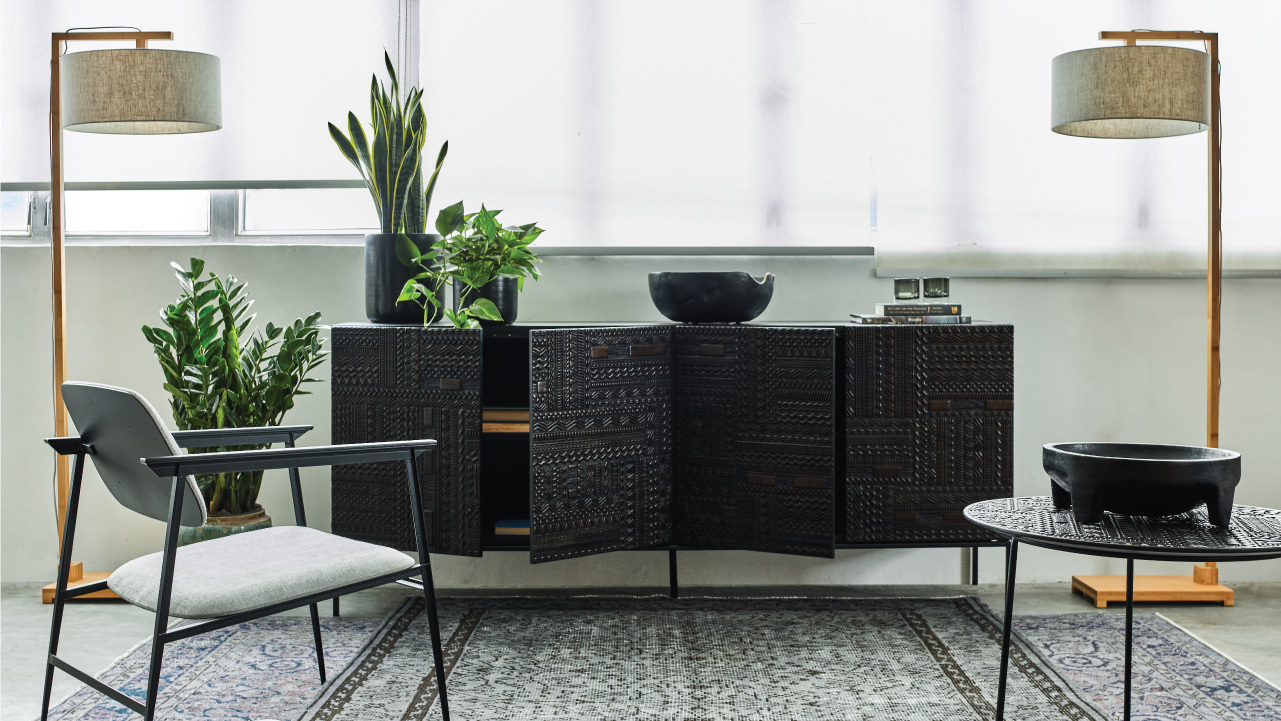
the details are where sideboards also differ. carved or grooved panels give the doors texture and shadow, catching the light differently through the day. rounded corners bring a retro softness to mid-century designs, and they are a genuinely family-friendly detail on a piece children pass at exactly head height; wall-securing options are available for extra peace of mind in busy households. slimline handles keep the face of the piece calm, while sleek iron legs or frames lift the timber off the floor and make a long piece feel lighter than its footprint.
if nothing standard is quite what you’re looking for, we can custom make sideboards and cabinets in solid reclaimed teak built to your room size, interior style and storage needs. proportions are the hardest thing to judge from a screen, which is where seeing the range in person helps. our 25,000 sq ft showroom at Horizon Plaza, Ap Lei Chau holds the widest selection of wood sideboards and cabinets in Hong Kong, so you can stand beside a 200cm piece and know, rather than guess, how it will look and function in your own home.
shop sideboards and cabinets



6. caring for your wood sideboard in Hong Kong
a wood sideboard asks for very little. day to day, care is a wipe with a slightly damp cloth to lift dust, with natural soap for anything tougher. the top surface works harder than most furniture surfaces, serving dishes, vases, the everyday traffic of the home, so a few small habits keep it looking its best: coasters and mats under anything hot or wet, and a moment to wipe away spills as they happen. the timber was chosen and treated for Hong Kong conditions, so the seasons set the rhythm rather than the rules.
Hong Kong · Spring care
Spring in Hong Kong can get particularly humid, with indoor humidity spiking above 90%, and that is when your wood furniture appreciates a little extra care. a dehumidifier or air conditioner keeping the room between 50% and 60% does most of the work, and everything stored inside the sideboard benefits from it as much as the timber does.
practical care tips
- dust it weekly: wipe the top and doors with a slightly damp cloth; use natural soap for tougher marks and avoid silicone-based spray polishes, which build up on oiled finishes over time.
- protect the serving surface: mats and coasters under hot dishes, glasses and plant pots keep the top ready for its next dinner party; the finish handles everyday moisture but prefers not to sit under it.
- give the wood steady conditions: wood is happiest with stable temperature and humidity, so a position out of the direct line of an air conditioner keeps the finish at its best.
- keep it hydrated in Winter: if you run home heating in the cooler months from November to March, a cup of water placed nearby helps maintain ambient humidity while the indoor air is dry.
- let the shelves breathe once a season: open the doors for an hour on a dry day and let air move through the compartments; your glassware, linens and the cupboard interior all stay fresher for it.
our TREEtment manual covers all of this in detail, from everyday cleaning to seasonal routines; download it on our after care page. and if you are ever unsure what your sideboard needs, our team is always happy to talk it through for your specific home.
what is a sideboard, and how is it different from a buffet or credenza?
the three names describe close relatives. a sideboard is a long, low storage cabinet, typically 75–90cm tall, with closed compartments and often drawers, traditionally standing in the dining room. a buffet is essentially the same piece; the name travelled with its serving role, and in Hong Kong the two words are used interchangeably. a credenza is the mid-century cousin: usually lower and sleeker, often on legs, and more common in living rooms and offices. in practice, choose by dimensions and storage rather than by name.
what size sideboard do I need?
let the wall decide. measure the wall the piece will stand against, then look for a sideboard that fills roughly two-thirds to three-quarters of it, keeping around 30 cm of clear space at each end as a general guide. keep 60–80 cm of walkway in front, more where dining chairs push back into the space, and check your doorframe: 76–80 cm is standard in Hong Kong. our sideboards and cabinets are 80–250cm wide, so most walls have a match in the range.
how tall should a sideboard be?
most sideboards are 75–90 cm tall, which is deliberate: level with or slightly above a dining table, comfortable for serving from, and low enough to keep the wall above free for art or a mirror. our range runs 60–95cm, so there is room to go lower under a window or taller where the footprint is tight and a cabinet’s height does the work instead.
should a sideboard match the dining table?
coordinate rather than match. a sideboard in the same timber as your table gives a dining room a calm, deliberate feel, but an exact match is not required; closely related tones and a shared leg style or line do the work. a contrasting piece can also anchor the room, particularly a characterful reclaimed teak sideboard beside a cleaner-lined table. what matters more is proportion: a sideboard somewhat shorter than the table keeps the pairing comfortable.
what should I store in a sideboard?
the classic answer is everything the dining table needs: dinnerware, serveware, crockery and glassware in the cupboards, with cutlery, napkins, placemats and candles in the drawers. the honest answer is whatever your room needs hidden: in a living room that might be games, chargers and paperwork; in a hallway, the things that otherwise gather by the door. many of our sideboards have removable shelves, so the compartments adjust to what you own.
how do I style the top of a sideboard?
work in odd numbers and layers. a lamp or vase at one end for height, something low and personal in the middle, art or a mirror leaning on the wall behind, and enough empty surface left to actually use: the top of a sideboard is a working serving space as well as a display one, so resist filling every centimetre. we cover this in more depth in our guide to using a sideboard.
can a sideboard go in a living room or hallway?
naturally; the dining room may be its traditional home, but it has never been the only one. in a living room a sideboard offers closed storage with a display surface, and its long, low profile visually lengthens the room. in a hallway, a shallower piece around 40cm deep keeps the entrance passable while giving your keys and mail a home. the same piece can serve all three rooms across its lifetime as your home changes.
can a solid wood sideboard handle Hong Kong humidity?
very comfortably. every timber we use is treated throughout sourcing and production for Hong Kong conditions, mahogany is naturally resistant to moisture changes, and our reclaimed teak has already spent a century acclimatising in tropical Indonesia. we have been selling wood furniture in Hong Kong for over 20 years; we would not work with materials that could not live here. a little seasonal care, covered above, is all that is asked in return.