dining chairs buying guide
everything you need to know
a dining table often gets all the attention, but the chairs around it play an equally important role in creating a comfortable environment.
in a Hong Kong apartment where space is especially at a premium, the chairs also carry a second job, because the dining table often doubles as a desk, a homework station and a place to catch up with friends, and the seat underneath you is doing the work through all of it. we have been helping Hong Kong customers choose solid wood furniture for over 20 years, and we find the same five considerations guide almost every good decision about dining chairs: how the chair fits your body and your table, how much space it asks of the room, whether wood or upholstery suits how you live, the material it is made from, and how confidently it sits alongside everything else.
- 1. comfort & fit
- 2. size & space
- 3. wooden or upholstered
- 4. materials
- 5. mixing & matching
- caring for your chairs
1. comfort and fit: how a chair should hold you
comfort in a dining chair isn’t just about padding; it’s also about proportion. our dining chairs have seat heights of 45–51cm, which pairs correctly with the 75–78cm height of our dining tables. as a general guide, you want 25–30cm between the top of the seat and the underside of the tabletop: enough room for your legs to sit naturally, without leaving you reaching up to your plate.
the backrest is the next thing to feel for. a chair with an upright back provides support for longer meals and better posture; a lower back or bench keeps a compact room feeling light and slides further under the table when the meal is over. we offer a wide assortment of dining chair styles, each designed to reduce strain on the back, as well as make it easier to stay at the table for the conversations that follow the food.
arms are a genuine fork in the road. armchairs signal comfort and suit the ends of a larger table, but they need width, and the armrest must pass under the tabletop or apron if you want the chair to tuck away. armless chairs are the space-efficient choice for most Hong Kong dining areas, and they make it easier to seat one extra person when the numbers grow. if you are considering arms, measure from the floor to the underside of your table to ensure that your chair of choice can fit.
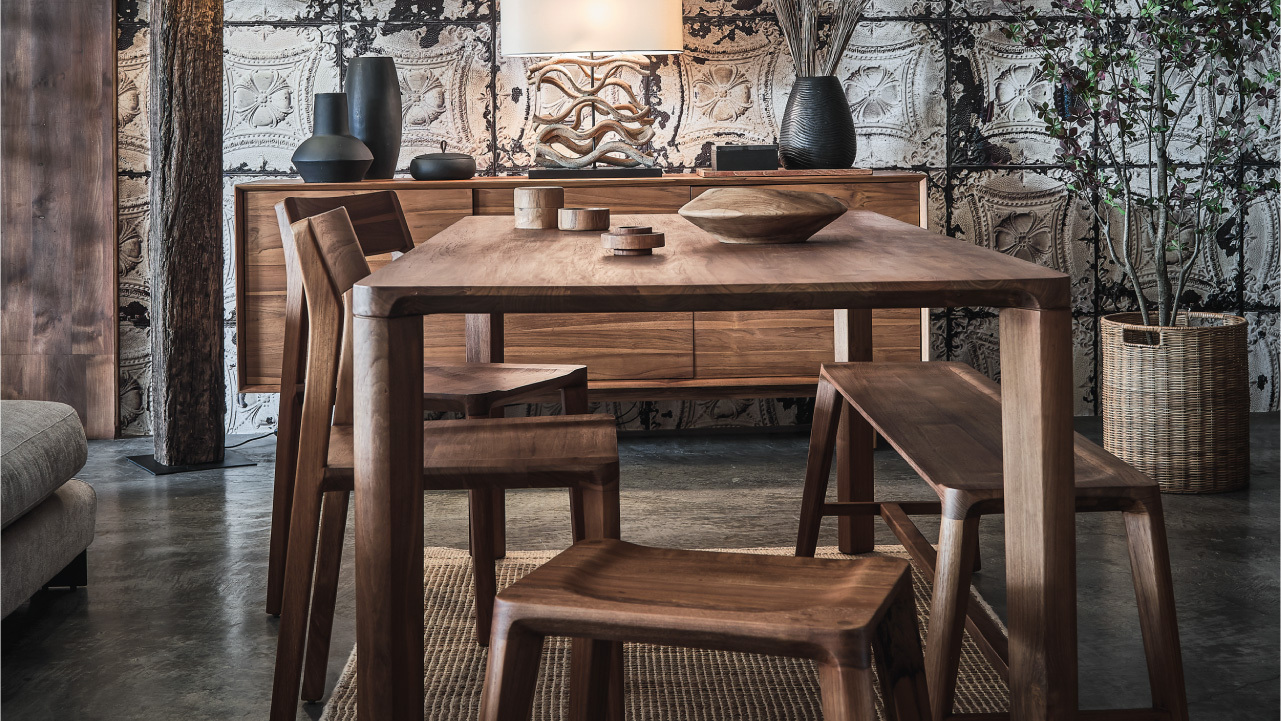
how a chair should fit, as a general guide
| measurement | guide figure | why it matters |
|---|---|---|
| seat height | 45–51cm across our range | pairs with a standard 75–78cm table |
| seat to tabletop clearance | 25–30cm | legs sit naturally; no reaching up to the plate |
| chair width | 40–64cm across our range | narrower seats fit more people; wider seats settle in for longer |
| armrest height | must clear the table apron | so armchairs tuck fully under the table |
we find that most of our customers make their final decision on dining chairs once they’ve visited our showrooms to test which one(s) is right for them. as some of our dining tables are higher than 75cm, we recommend always checking if the seat height pairs well and offers a comfortable sitting position.
2. size and space: making chairs work in a Hong Kong dining area
chairs claim more of a room than most people budget for, because a chair spends its life in two positions: tucked under the table and pulled out with a person in it. planning for both is what keeps a compact dining area feeling open. as a general guide, allow around 60cm of table edge per person, keep roughly 15cm between neighbouring chairs so that everyone has enough elbow room, and leave enough clearance behind each seat to pull out and sit down comfortably: about 90cm where the space allows it, and 80cm as the working minimum many Hong Kong apartments settle on.
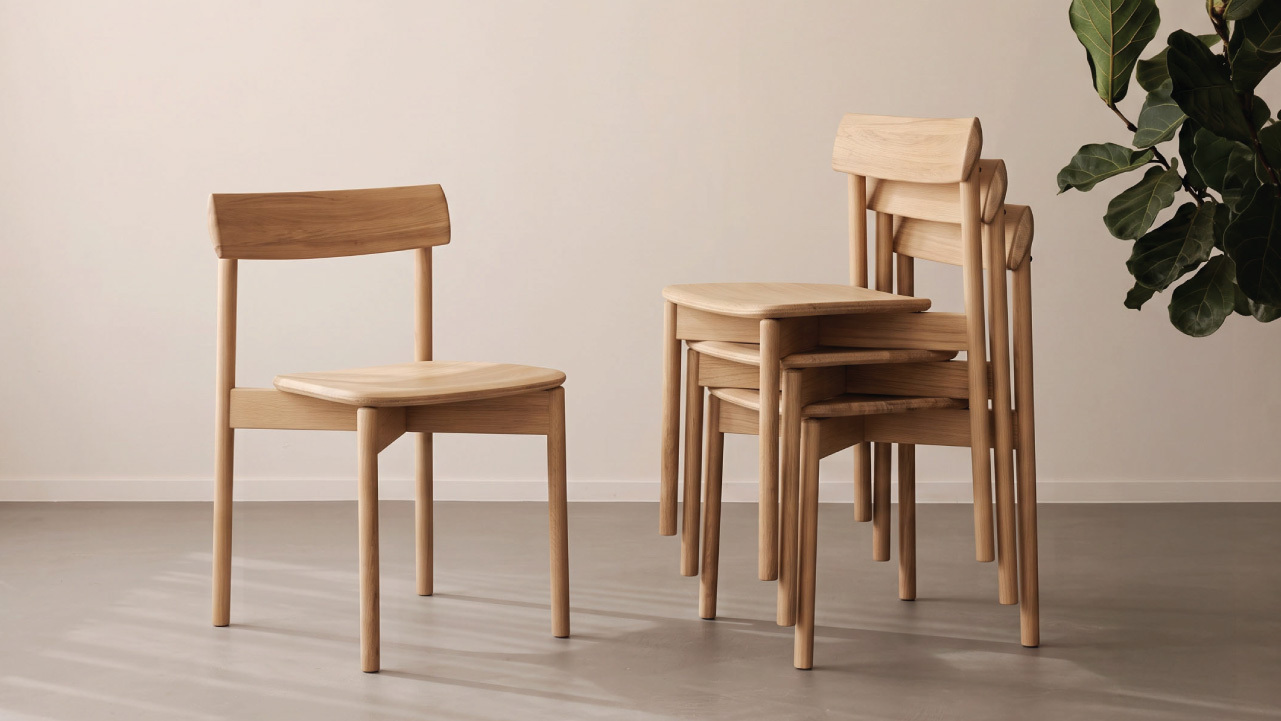
in homes where the dining area shares its floor with a walkway or the kitchen, chair choice can hand you space back. slimline profiles take less visual and physical room, and the stackable designs in our range let you keep two chairs out for daily use and bring the others up when friends arrive. it is the seating equivalent of an extendable table, and the two strategies work well together.
chair spacing, as a general guide
| measurement | guide figure |
|---|---|
| table edge per person | around 60cm |
| gap between neighbouring chairs | around 15cm |
| clearance behind the chair to a wall | 90cm comfortable; 80cm workable in a compact room |
| space saved by a stackable set | two chairs out daily; the rest stored in one footprint |
the Hong Kong case for stackable
six chairs out for the two evenings a year you host, or two chairs out and four neatly stacked in a corner for the other 363 days. stackable and slim designs let a compact dining area breathe without giving up capacity when it counts.
if you are still choosing the table itself, size and shape decisions come first; our dining tables range covers everything from compact rounds to extendable designs that pair naturally with the chairs in this guide.
3. wooden or upholstered?
this is the question we hear most often about dining chairs, and the answer is largely determined by your lifestyle and preferences. solid wood chairs wipe clean in seconds, shrug off daily wear, and age similarly to a solid wood table; in a household where the dining table hosts everything from breakfast to painting projects, that resilience earns its keep. upholstered chairs answer a different need: softness for meals that run long, warmth in a room full of hard surfaces, and a way to bring colour and texture to the dining area.
however, the two are not mutually exclusive. many of our customers put upholstered chairs where people linger and wooden chairs where traffic is highest, or reserve a pair of upholstered seats for the ends of the table. the upholstered designs in our range are made for real use, with a wide choice of fabrics, compositions and colours, so you can choose a weave that suits a busy household rather than working around a delicate one.
we also find that families with young children often choose wooden, and there is a quieter reason to feel confident there: most of our dining chairs feature smooth, rounded edges, a small design decision that matters in a compact dining area where little ones pass close to the furniture.
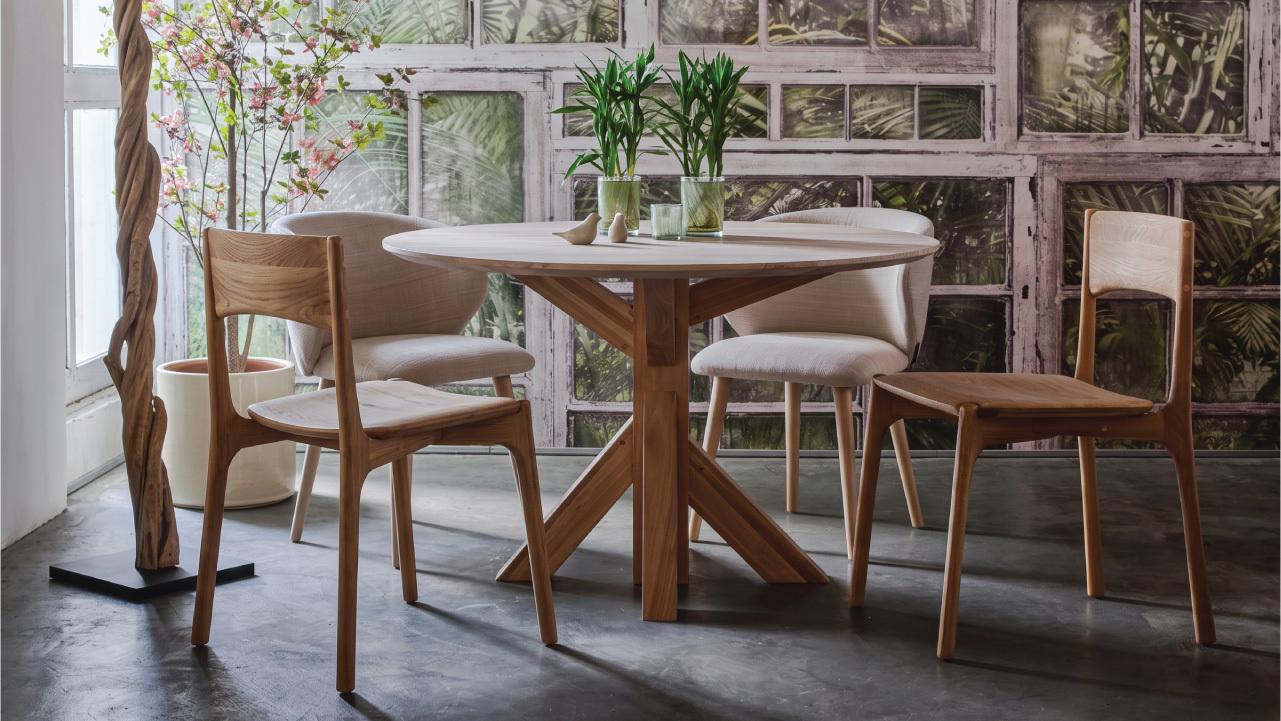
we compare the two options in more depth in our guide to choosing wooden or upholstered dining chairs.
shop dining chairs
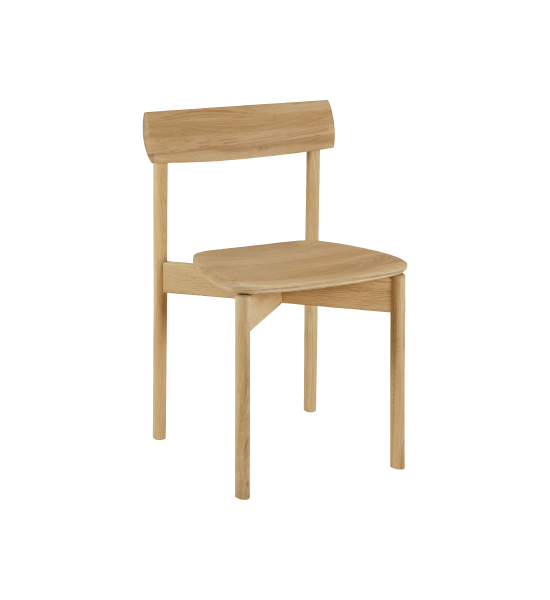

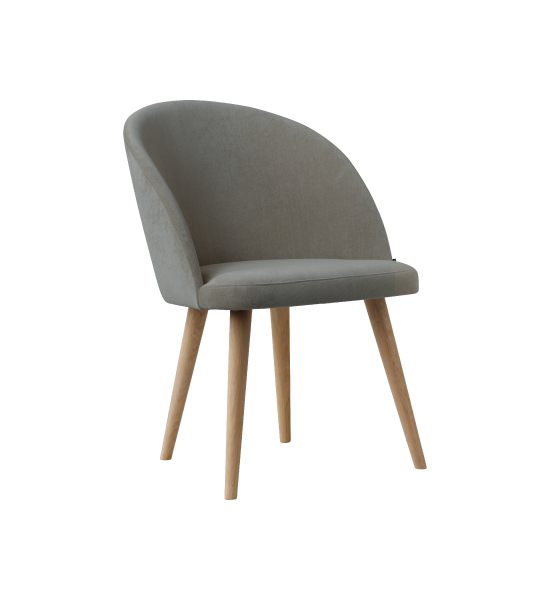

4. the materials we work with
a dining chair is handled more than any other piece of furniture in the home: pulled out, leaned back on, wiped down, moved for the vacuum. material choice decides how gracefully it carries all of that, and in Hong Kong it is a climate decision too. every solid wood chair in our range is produced in Indonesia, Serbia, Vietnam and China, and is treated throughout sourcing and production to be at home in Hong Kong conditions.
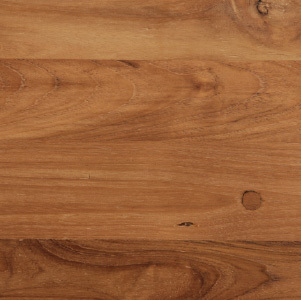
reclaimed teak
weathered surfaces, elegant textures and original markings. salvaged timber: no new trees felled.
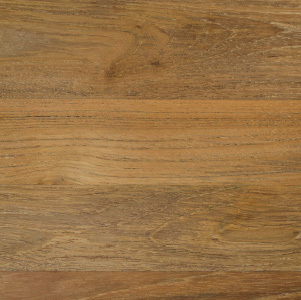
FSC™-certified teak and plantation teak
consistent golden-brown tones; a more uniform grain. certified from responsibly managed forests.
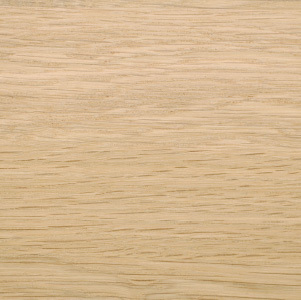
European oak
light, creamy tones with subtle golden-brown grain and a fine, even texture.
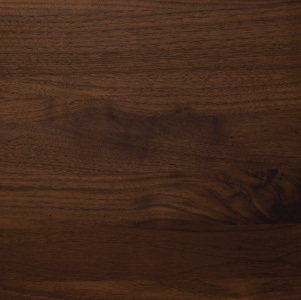
American walnut
deep chocolatey tones with ripples of lighter honey swirled through. a dense, stable hardwood.
reclaimed teak. we work closely with our longstanding partner dBodhi, whose collections use wood salvaged from century-old Indonesian houses, properly documented and hand-sorted by craftsmen before it is repurposed. weathered surfaces and original markings make each chair truly one of a kind, and teak’s natural density and oils suit a piece that gets handled every day. choose it for warm, characterful, wabi sabi inspired dining rooms.
FSC™-certified solid teak and plantation teak. consistent golden-brown tones and a cleaner, more uniform grain, certified from responsibly managed forests. it shares teak’s warmth, density and natural durability with a more even look, for classic and contemporary rooms.
European oak. light, creamy tones with subtle golden-brown grains and a fine, even texture; prized for strength, stability and a natural resistance to wear, which matters in the most-handled seat in the house. the natural partner for Japandi and minimalist dining rooms.
American walnut. for those who love a rich, dramatic look, consider walnut wood, which has deep chocolatey tones interspersed with ripples of lighter honey. it is a dense, stable hardwood that complements contemporary and mid-century interiors alike.
our upholstered dining chairs come in a wide range of fabric options across colours, compositions and textures; many are in stock for immediate delivery, but you can also pre-order from a wide fabric selection to match or contrast with your table and the room around it.
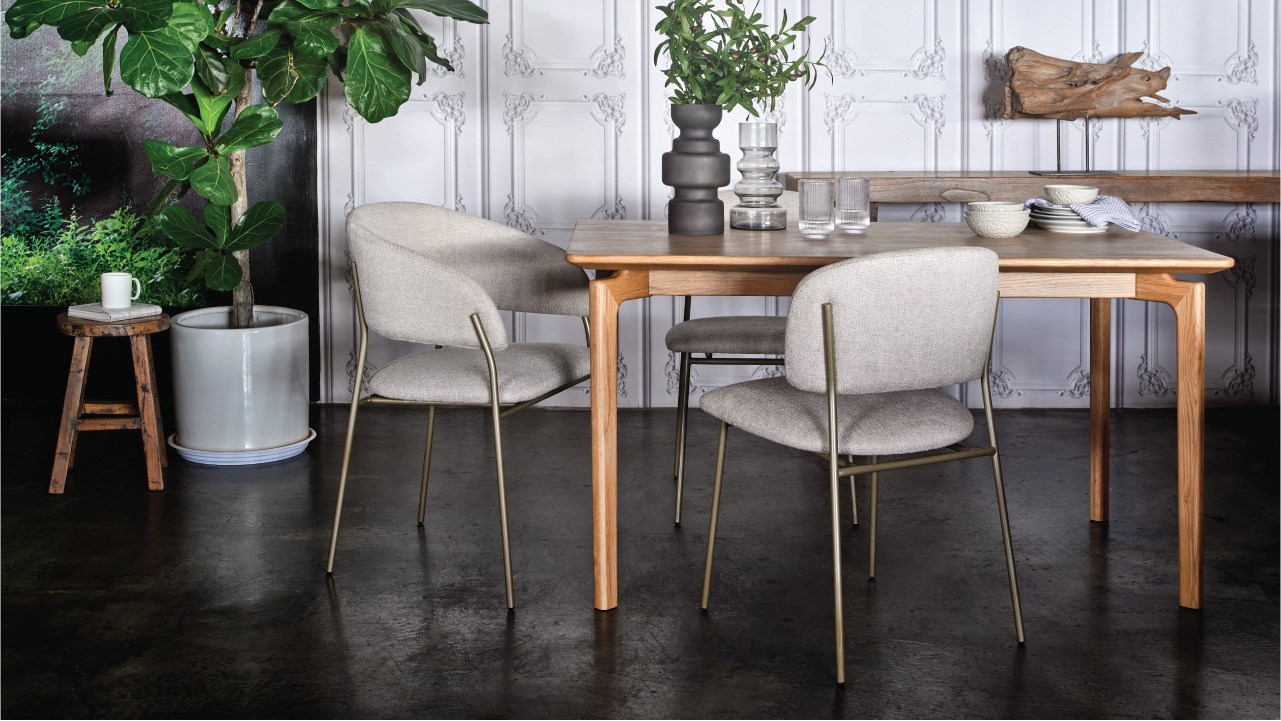
materials at a glance
| material | appearance | best style | sustainability |
|---|---|---|---|
| reclaimed teak | weathered, characterful; every chair unique | wabi sabi, rustic, industrial | salvaged: no new trees felled |
| FSC™-certified teak and plantation teak | golden-brown; consistent grain | classic, contemporary | FSC™-certified forest management, well-managed forests |
| European oak | light, creamy; fine even grain | japandi, minimalist, scandi | responsibly sourced |
| American walnut | deep chocolatey tones; lighter honey hues | contemporary, mid-century | responsibly sourced |
| FSC-certified kraft paper (Lloyd loom) | woven, tactile, light | relaxed, coastal, heritage | FSC™-certified material |
5. matching, mixing, and the table underneath
dining chairs no longer have to come as a matching set, and that freedom is worth using. the reliable rule is to let mixed chairs share one design element: the same timber tone, the same leg silhouette, or the same seat height reading across the group. two upholstered chairs at the ends of a table with wooden chairs along the sides is a classic arrangement, and mixing two chair designs in the same wood keeps variety from tipping into clutter. a bench along one side is another route some households take, though that is a story we tell properly elsewhere.
matching chairs to the table is more forgiving than people fear. chairs do not need to come from the same collection as the table; they need to agree with it on scale and one visual cue. a chunky farmhouse-style table overwhelms fine-legged chairs, and delicate tables can be overpowered by heavy seats. when the proportions agree, contrast in material or colour is a strength rather than a risk.
the practical check underneath all of this is height compatibility: all our dining tables sit at 75–78cm and our chair seat heights of 45–51cm pair correctly with them. if you are pairing our chairs with a table bought elsewhere, measure the table height first and apply the 25–30cm clearance guide from earlier in this guide.
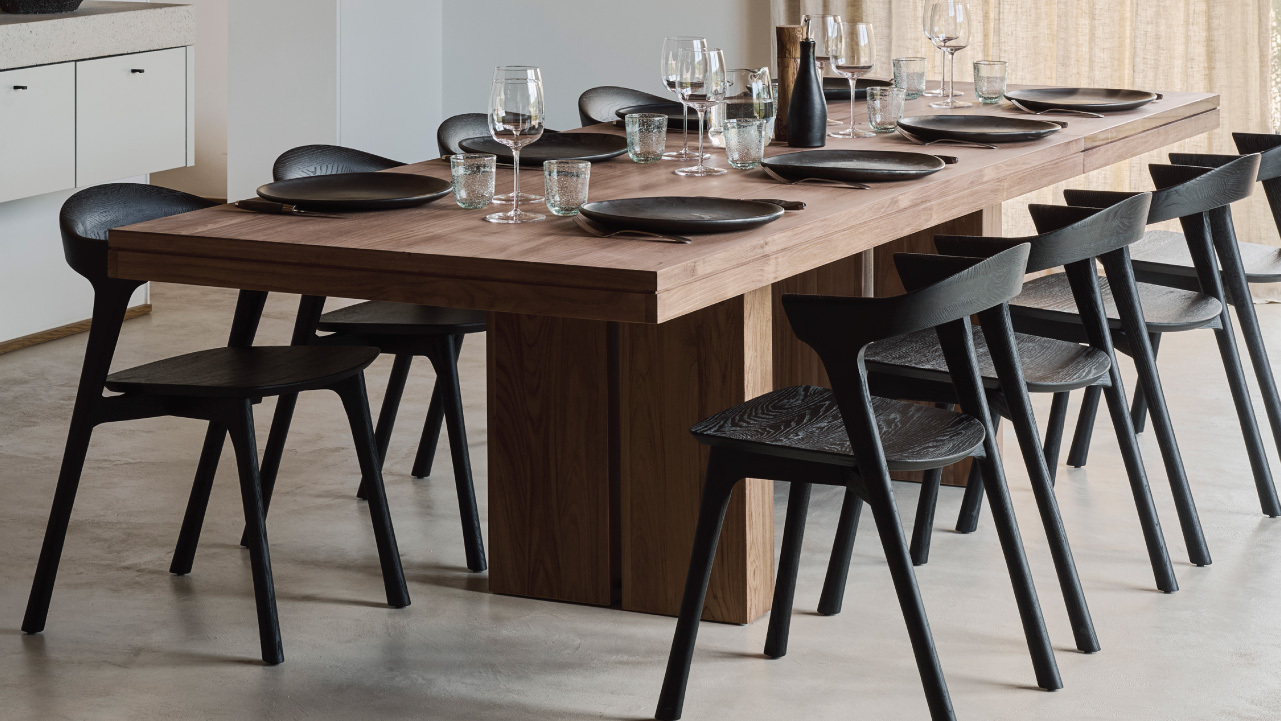
Kate Babington, Managing Director at TREE
“the beauty of our solid eco-wood chairs is that they come in an assortment of wood tones and styles, enabling you to play with an array of combinations. one of my favourite pairings is having chairs on one side of the table and a bench alongside the other – this creates a warm, inviting dining setting perfect for loved ones to gather over a delectable meal, as well as the flexibility to accommodate additional guests when needed.”
caring for your dining chairs in Hong Kong
dining chairs ask a little more of you than most furniture because they are touched constantly, and they give back in the same measure. solid wood needs to stay hydrated in Hong Kong conditions, and it repays that small attention by settling gracefully into the seasons. day to day, care is a wipe with a slightly damp cloth, and natural soap handles anything stickier that mealtimes leave behind.
upholstered chairs keep their looks with a light weekly habit: a vacuum with a soft brush attachment, used with a light hand, lifts dust and crumbs before they settle into the weave. keeping fabric seats shaded from direct sunlight can also preserve their colour.
Hong Kong · Spring care
Spring in Hong Kong can get particularly humid, with indoor humidity spiking above 90%, and that is when your solid wood chairs appreciate a little extra care. a dehumidifier or air conditioner keeping the room between 50% and 60% sees the season out comfortably, for the table as much as the chairs around it.
- wipe wooden chairs weekly: a slightly damp cloth lifts dust and mealtime marks; natural soap handles anything tougher.
- vacuum upholstered seats gently: once a week with a soft brush attachment and a light hand keeps the fabric fresh and prevents pilling.
- give the wood steady conditions: solid wood is happiest with stable temperature and humidity, so try not to position chairs in a direct air conditioning draught.
- run a dehumidifier in Spring: aim for indoor humidity of 50–60% through the humid season; wooden and upholstered chairs both benefit.
- check the joints once a year: chairs work harder than any other furniture in the home, so glance over legs and joints annually; if anything ever needs attention, contact us for guidance first.
for the wooden chairs in your set, our TREEtment manual covers everything from everyday cleaning to seasonal routines; download it on our after care page. and if you are ever unsure what your chairs need, our team is always happy to talk it through for your specific home.
what height should dining chairs be?
as a general guide, a seat height of 45–50cm suits a standard dining table of 75–78cm, leaving the 25–30cm of clearance your legs need between seat and tabletop. all our dining chairs have seat heights of 45–51cm and all our dining tables sit at 75–78cm, so pieces from our range pair correctly with each other. if your table isn’t from TREE, measure its height first and work back from the clearance rule.
how much space do dining chairs need around a table?
allow around 60cm of table edge per person, roughly 15cm between neighbouring chairs, and enough room behind each seat to pull out and sit down: 90cm is comfortable, and 80cm is the workable minimum many Hong Kong dining areas settle on. remember that a chair lives in two positions, tucked in and pulled out with someone in it, and plan for both.
how do I clean upholstered dining chairs?
a weekly vacuum with a soft brush attachment, used gently, keeps the fabric fresh and prevents pilling. for spills, blot rather than rub. keeping upholstered chairs shaded from direct sunlight preserves their colour over the years.
are wooden or upholstered dining chairs better?
they answer different needs. wooden chairs wipe clean in seconds, stand up to heavy daily use and age alongside a solid wood table; upholstered chairs add softness for long meals and bring colour and texture into the room. many households mix the two, with upholstered seats where people linger and wooden seats where traffic is highest. our library guide on wooden versus upholstered dining chairs goes deeper on the trade-offs.
do dining chairs have to match the dining table?
no, and some of the best dining rooms prove it. chairs need to agree with the table on scale and share one design element, such as timber tone, leg silhouette or seat height, but they do not need to come from the same collection. the practical check is height: keep 25–30cm between seat and tabletop and the pairing will work physically, whatever it does visually.
which dining chairs suit families with young children?
wooden chairs with smooth, rounded edges are the combination we recommend most often: they wipe clean after every meal, stand up to years of daily use, and the rounded edges are kinder in a compact dining area where children pass close to the furniture. most of the dining chairs in our range feature rounded edges for exactly this reason. if you prefer upholstery, choose a fabric weave made for regular family use.
which dining chairs last the longest?
solid wood, well looked after, outlasts almost everything else at the table. teak’s natural density and oils suit a piece that is handled every day, while European oak’s and walnut’s resistance to wear is exactly what the most-used seat in the house asks for. a solid wood chair can also be cared for and refreshed over the years rather than replaced. whichever material you choose, the joints matter as much as the timber, which is why an annual check is one of our five care steps.
how many dining chairs fit around my table?
divide the usable table edge by roughly 60cm per person, then subtract a little for corners. as a general guide, a 120–140cm rectangular table seats four comfortably, a 160–180cm table seats six, and armless chairs let you seat one more than armchairs would in the same length. if you host in bursts, stackable chairs let you keep capacity in the corner rather than around the table all year.