tv cabinets buying guide
everything you need to know
the tv cabinet is one of the hardest working pieces in a Hong Kong home. it anchors the living room, keeps consoles and cables in order, as well as holds its ground through movie nights, gaming marathons and the news over breakfast.
it becomes the piece the whole room arranges itself around; choose in a hurry and you notice it every single day. we have been helping Hong Kong customers find solid wood tv cabinets for over 20 years, and we find that six considerations guide their decision. this guide walks through each of them, so you can arrive at our 25,000 sq ft showroom at Horizon Plaza, Ap Lei Chau, already knowing what will work in your space.
1. cabinet or wall mount: which works in your apartment?
many customers arrive assuming this is an either-or decision. in practice, most Hong Kong living rooms end up with both: the screen on the wall and a low cabinet beneath it doing the practical work. while a wall mount saves a little visual weight, you still need somewhere to place your game console, soundbar and router; those still require a home, a power supply and somewhere for the cables to go.
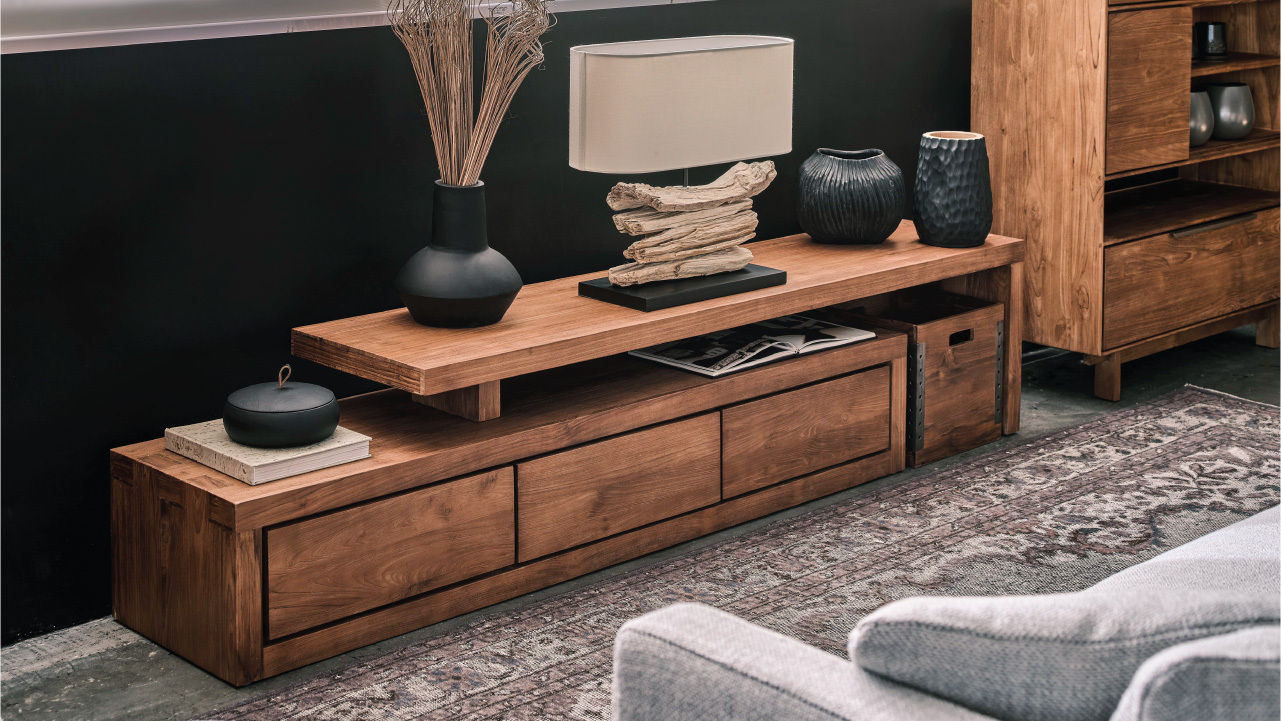
a cabinet earns its place whether or not the screen sits on it. with the tv mounted above, a lower cabinet (our designs start at 34cm tall) keeps the wall feeling open while the storage carries on underneath, but this may not always be an option with rental homes. with the tv standing on the cabinet, you skip drilling into the wall altogether, which matters in rental apartments and in buildings where the wall behind the tv is not solid enough to take a bracket. renters in particular tell us the cabinet route saved them a conversation with their landlord, as well as from having to fill in holes at the end of their tenancy.
there is also flexibility to think about. a cabinet moves with you; a wall mount stays behind. in a city where many of us move every few years, furniture that adapts to the next apartment is worth favouring.
worth knowing
our tv cabinets arrive fully assembled or require minimal setup by our experienced delivery team, so there is no bracket, drill or wall plug involved in getting your living room working.
2. size and placement: getting the proportions right
the most common sizing mistake we see is a cabinet bought to fit the tv rather than the room. as a general guide, the cabinet should be wider than the screen: a visibly wider base makes the tv look settled and gives the whole wall a sense of proportion, as well as keeping the screen's feet safely away from the edges.
television sizes are quoted diagonally in inches, while furniture is measured in centimetres, so it helps to translate. a 55 inch tv is roughly 123cm wide; a 65 inch is roughly 145cm; a 75 inch is roughly 167cm. our cabinets are 120cm to 320cm wide, so there is a comfortable match for every screen sold in Hong Kong, including the very largest.
cabinet width by screen size
| tv size | approximate screen width | suggested cabinet width |
|---|---|---|
| 43 inch | 96cm | 120–140cm |
| 55 inch | 123cm | 140–180cm |
| 65 inch | 145cm | 160–200cm |
| 75 inch | 167cm | 180–240cm |
| 85 inch | 190cm | 210–320cm |
height matters as much as width. as a general guide, the centre of the screen should sit close to seated eye level, which for most sofas means roughly 100–110cm from the floor. our cabinets are 34cm to 60cm tall, which places a standing tv at a natural viewing height from a typical sofa; if you are wall mounting above a lower cabinet, the same eye-level rule applies to the bracket.
depth is the quiet third measurement. our cabinets are 40cm to 50cm deep, which gives a stable base for the screen and genuine room for media devices inside, without pushing the cabinet awkwardly into the room. in a compact living room, check the walkway between the cabinet and sofa or coffee table: around 75–90cm of clearance keeps the room easy to move through.
key measurements at a glance
| measurement | guide |
|---|---|
| cabinet width | wider than the screen; see table above |
| screen centre height | roughly 100–110cm from floor, near seated eye level |
| cabinet depth | 40–50cm across our range: stable support plus device storage |
| clearance to seating | 75–90cm walkway keeps the room flowing |
| weight support | up to 190kg based on size, material and structure |
we find that most of our customers visit us knowing what size tv cabinet they need for their living room, and typically want to find out more about the different configurations (number of drawers and doors we offer) to accommodate for their belongings. above are some of the key measurements that you may want to keep in mind whilst finding your perfect piece. if you plan to visit us, be sure to bring your floor plan – we can then walk you through some of our recommendations based on your space and needs.
3. storage and cable management: what lives inside
think about what the cabinet needs to hold before you think about how it looks holding it. a set-top box and a soundbar ask very little; a games console, a media player, a router and a shelf of vinyl ask considerably more. our range covers the full spectrum: open shelving, closed cabinets, and designs that mix the two, with soft-closing drawers and flip-down doors where they earn their keep.
open shelves keep remotes and devices within easy reach and let infrared remotes work without opening a door; they also let equipment breathe, which electronics appreciate. closed storage keeps dust off your devices and visual clutter out of the room, which is why it suits minimalist interiors so well. drawers are the natural home for the things every living room accumulates: chargers, controllers, spare batteries, the instruction manuals nobody throws away.
cables deserve a decision of their own. our cabinets include built-in cable holes, so power and HDMI runs travel out of sight from device to socket, and the wall behind your tv stays tidy. it is a small detail that makes a daily difference: a living room where no cable is visible feels calmer than one where a power strip does the talking.
storage styles compared
| configuration | best for | worth considering |
|---|---|---|
| open shelves | easy access; remotes work through; devices stay cool | contents on show; dusting is more regular |
| closed cabinet or flip-down doors | clean lines; dust-free storage; minimalist rooms | remotes may need doors open |
| drawers | small items, controllers, cables and accessories | shallower than shelf space; check internal height |
shop tv cabinets


4. built to adapt: extendable designs
televisions have a habit of growing. the screen that felt enormous five years ago is mid-sized today, and the cabinet bought to fit it exactly can end up looking out of proportion after one upgrade. it is a pattern we have watched play out across 20 years of Hong Kong living rooms, and it is why our collection includes extendable tv cabinets that adapt to different screen sizes. rental apartments are also common in the city, so it's worth choosing furniture with a flexible design that can adapt to your needs if you move to a new home.
some of our tv racks can be adjusted in length or angle, so the same piece can be reconfigured to suit your current apartment and your next one. that flexibility works in both directions: a cabinet that extends for a larger screen in a bigger living room can also run compact where floor space is the priority. for a long-term purchase, it is the difference between furniture that fits one moment of your life and furniture that keeps pace with it. many customers who come in looking for a tv cabinet are drawn to the versatility of our extendable designs, and often end up taking one home!
the Hong Kong case for adaptable design
one cabinet, several lives: sized for today's screen, ready for the bigger one, and reconfigurable for the next apartment. in a city where homes change often, furniture that adapts is the more sustainable choice too.
where nothing standard is quite right, we also custom-make tv cabinets in solid reclaimed teak to match your tv size, interior style and storage needs. corner placements, unusual wall lengths and specific device collections are all solvable; bring your floor plan and measurements to the showroom, and we can work through the options with you.
5. wood and material: what performs best in Hong Kong
a tv cabinet is looked at more than almost any other piece of storage furniture; it faces the sofa, after all. material choice therefore carries both an aesthetic weight and a practical one, and in Hong Kong's subtropical conditions the practical side matters. most of the solid woods we work with are treated throughout sourcing and production to suit Hong Kong homes, and the majority of our tv cabinets carry an oil or water-based protective finish for durability, so a damp cloth and natural soap are all the routine cleaning they ask for.
reclaimed teak is the choice for character. we work closely with our longstanding partner dBodhi, whose wood is salvaged from century-old Indonesian houses, properly documented, and hand-sorted by craftsmen before being repurposed. weathered surfaces and original markings make each piece truly one of a kind, and centuries of natural conditioning leave the timber denser and more climate-stable than plantation-grown alternatives. no new trees are felled for it, which is sustainability you can see in the grain.
FSC™-certified solid teak and plantation teak offer teak's warmth, density and natural moisture resistance with consistent golden-brown tones and a cleaner, more uniform grain. the FSC™ certification means the wood comes from responsibly managed forests, independently verified; as a B Corp™ certified company, that verification matters to us as much as the look. meanwhile, plantation teak is responsibly harvested from managed sources, and provide a steady supply of timber while helping reduce pressure on natural forests.
European oak brings light, creamy tones and subtle golden-brown grains with a fine, even texture. it is prized for strength, stability and a natural resistance to wear, and it is the material that reads most naturally in Japandi, minimalist and Scandinavian rooms.
American walnut is the rich, dramatic option: deep chocolatey tones interspersed with ripples of lighter honey, on a dense, close-grained hardwood that holds its own in contemporary and mid-century interiors.
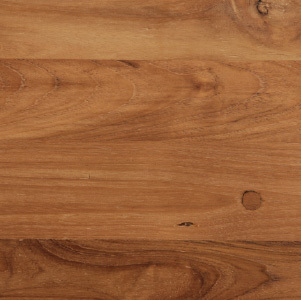
reclaimed teak
warm, weathered; every piece unique. salvaged: no new trees felled.
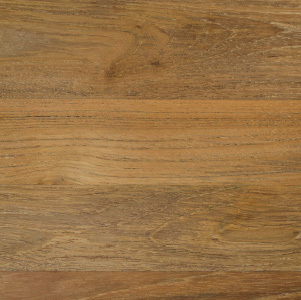
FSC™-certified teak and plantation teak
golden-brown; consistent grain. FSC™-certified forest management, well-managed forests.
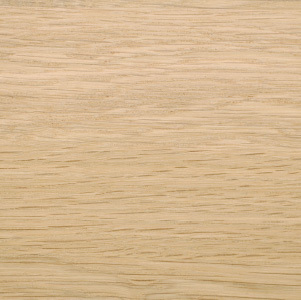
European oak
light creamy tones; fine grain. sustainably, responsibly sourced.
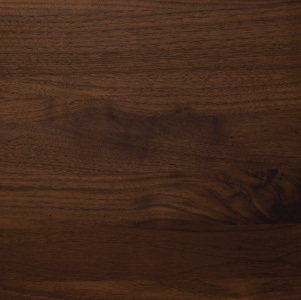
American walnut
deep chocolate; honey ripples. sustainably, responsibly sourced.
our tv cabinets are produced in Indonesia, Serbia and Vietnam, with the solid wood treated through sourcing and production for Hong Kong conditions.
6. style and the room around it
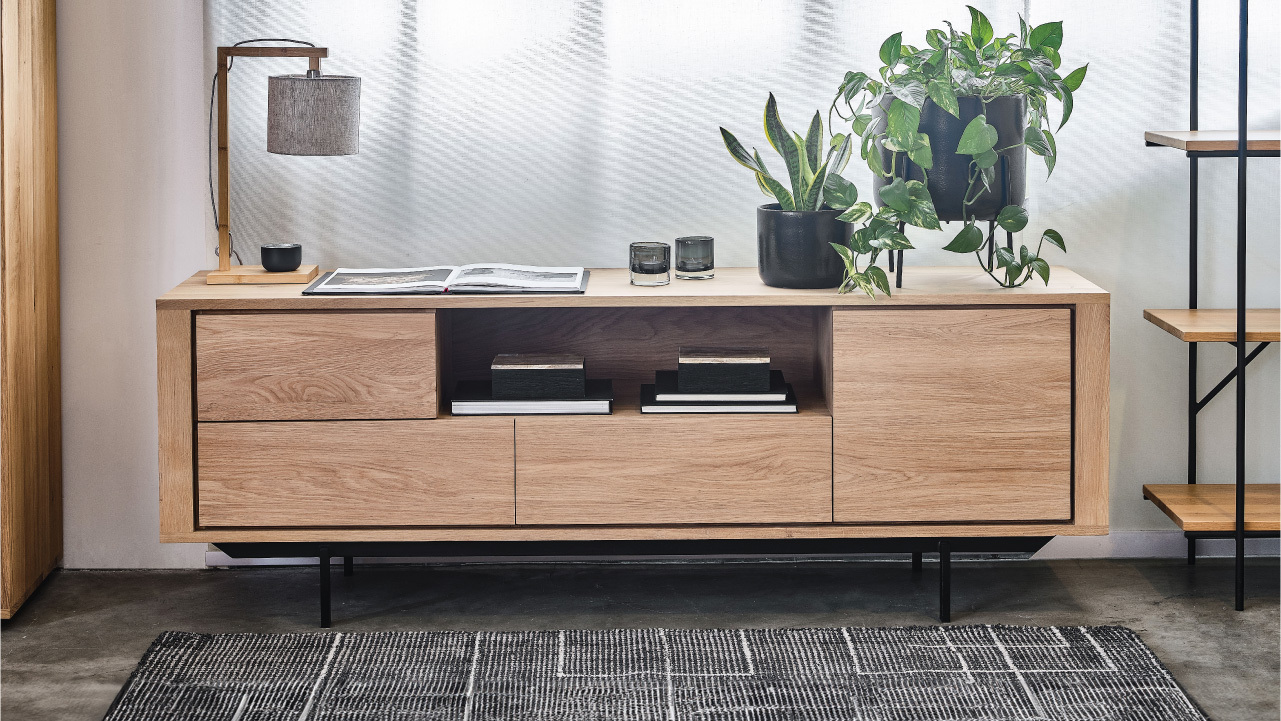
the tv cabinet rarely stands alone. it shares the room with your sofa, your coffee table and everything in between, so its style decision is really a living room decision. our range spans Japandi, Wabi Sabi, modern minimalist and Scandinavian designs, and the most reliable approach is to let the room's existing timber and tone lead: an oak cabinet beside a walnut coffee table can work, but matched timbers give a small room a calmer, more deliberate feel.
some of our tv cabinets can be combined with matching coffee tables, which is the easiest route to a coherent living room; the pair share proportions and grain as well as material. and because the cabinet faces the sofa all day, it is worth considering the two together: our sofa collections pair naturally with the cabinet range, and seeing them side by side at the showroom settles the combination faster than any amount of scrolling. for a wider look at pulling a pared-back living room together, our guide to minimalist living room ideas is a useful companion to this one.
households with young children have one more reason to look closely at the range: several designs offer smooth, rounded edges, a family-friendly detail on the piece of furniture children pass (and race past) most often.
Kate Babington, Managing Director at TREE
“solid wood has always been a core part of our collections, and rightly so. having the same high quality wood running throughout the piece means that it can be easily repaired and restored. this quality material, combined with timeless original designs, gives way to durable products that minimise the need for replacement. indeed, solid wood furniture is an investment, but you have the peace of mind that your piece will last you many years to come without falling out of love with it!”
caring for your solid wood tv cabinet in Hong Kong
solid wood asks for less than most people expect. the majority of our tv cabinets carry an oil or water-based protective finish, so regular care is a slightly damp cloth to lift dust, with natural soap for anything tougher. as a preventative measure, we always recommend placing glasses on coasters rather than directly on the cabinet top to prevent water rings or heat marks.
Hong Kong's seasons set the rhythm. through the warm, humid months the wood takes the moisture in its stride; it was treated for exactly these conditions. in the cooler, drier months, especially if you run home heating, the air indoors can become very dry, and solid wood appreciates a little hydration: a cup of water placed nearby helps maintain ambient humidity around the piece.
Hong Kong · Spring care
Spring humidity in Hong Kong can push indoor levels above 90%, and that is when your solid wood furniture appreciates a little extra care. a dehumidifier or air conditioner keeping the room between 50% and 60% does most of the work; our team is happy to talk through what this looks like for your home.
- weekly dusting: wipe with a slightly damp cloth; use natural soap for tougher marks and avoid silicone-based spray polishes, which build up on oiled finishes over time.
- protect the surface: use coasters and mats under glasses, plants and anything hot; the finish handles everyday moisture but not heat or pooled water.
- mind the electronics: give devices inside the cabinet a little breathing room, and rest heavier equipment on the supports or pads provided rather than directly on unprotected surfaces.
- steady conditions: solid wood is happiest with stable temperature and humidity; a spot out of the direct line of an air conditioner or heater keeps the finish at its best, and monitoring the room through seasonal changes is all the vigilance required.
- scratches and marks: solid wood can be sanded and refinished rather than replaced; contact us for guidance before attempting this yourself. we can also arrange for our in-house carpentry team to help refurbish your piece at an additional cost – just let us know.
for the full picture, our TREEtment manual covers everything in detail: download it from our after care page. and if a question ever comes up that the manual does not answer, we are a phone call or a showroom visit away; helping your furniture last is part of what you bought.
how high should a tv cabinet be?
as a general guide, the centre of your screen should sit close to seated eye level, which for most sofas is roughly 100–110cm from the floor. working backwards from your tv's height, that usually means a cabinet between 34cm and 60cm tall, which is the height range across our collection. lower cabinets suit larger screens and low-slung sofas; taller cabinets suit smaller screens or rooms where the tv shares the wall with shelving.
what size tv cabinet do I need for a 65 inch tv?
a 65 inch screen is roughly 145cm wide, so a cabinet of 160–200cm gives it a settled, well-proportioned base with safe margins each side. if you expect to upgrade the screen within the cabinet's lifetime, size for the future television rather than the current one, or consider one of our extendable designs that adapt to different screen sizes.
should the tv cabinet be wider than the tv?
yes, as a general rule. a cabinet wider than the screen looks more balanced, keeps the tv's feet safely away from the edges, and leaves room for a soundbar or speakers alongside. a screen overhanging its cabinet reads as top-heavy and puts the feet closer to the edge than is comfortable in a busy living room.
how deep should a tv cabinet be?
deep enough to support the screen's feet with margin to spare, and to house your devices. our cabinets are 40cm to 50cm deep, which comfortably takes set-top boxes, consoles and media players while keeping a slim profile in the room. if floor space is tight, remember that depth is the dimension you walk past all day: 40cm rather than 50cm returns a usable strip of floor to a compact living room.
how much weight does a tv cabinet need to hold?
modern televisions are lighter than they look; most 65 inch models are under 25kg. the real load is cumulative: tv, soundbar, consoles, and whatever the shelves collect over the years. solid wood handles this easily; our tv cabinets support up to 190kg based on size, material and structure, so weight capacity is one consideration you can settle quickly and move on from.
how do I keep the cables tidy?
start with the cabinet itself: most of our designs include built-in cable holes, so power and HDMI runs pass through the carcass and out of sight rather than draping over the back. group device cables with ties inside the cabinet, keep a power strip inside rather than on the floor, and label the plugs once; your future self will thank you the next time a device needs swapping.
do I need a tv cabinet if my tv is wall mounted?
most wall-mounted setups still benefit from one. the devices, the cables and the everyday clutter of a living room all require a home, and a low cabinet beneath the screen provides it while visually anchoring the wall. a floating screen above bare wall can feel unfinished; a cabinet below it completes the composition and adds the storage a Hong Kong living room can always use.
can solid wood tv cabinets handle Hong Kong humidity?
they handle it very well. all the solid wood in our range is treated during sourcing and production specifically to perform in Hong Kong conditions, and reclaimed teak in particular has already spent a century acclimatising to tropical humidity. we have been selling solid wood furniture in Hong Kong for over 20 years; we would not carry materials that did not work in this climate. a little seasonal care, covered above, is all that is asked in return.