dining tables buying guide
everything you need to know
a dining table is one of the most considered purchases in a home. for Hong Kong apartments, where space is especially at a premium, it should suit a variety of needs: from a stylish spot for everyday dining, to a space to host friends and family over the holidays, to a productive office setup on the days you work from home.
most importantly, the dining table is a space to gather and where your most delicious moments take place, when you invest in a solid wood design, you’ll be able to live with this piece for many years to come. we’ve been helping our customers find their perfect solid wood dining table for over 20 years, and find that these five considerations will help guide your decision.
- 1. shape
- 2. size & space
- 3. fixed or extendable
- 4. wood & material
- 5. chairs & benches
- 6. caring for your table
1. which shape suits your space?
considering shape is a decision that’s partly practical and partly about how you like to dine. rectangular tables seat the most people for their footprint and anchor a room with a clear sense of direction. round and oval tables feel more sociable because everyone sits at equal distance, and are also a wonderful choice for family homes with little ones running around (alongside rectangular tables with rounded corners) as they lack sharp edges. square tables suit smaller groups and rooms where symmetry matters.
your table shape should broadly reflect your room shape. a long, narrow dining room suits a rectangular table; a square room or open-plan corner works well with a round or oval. if you host large gatherings regularly, bear in mind that round tables above 130 cm can start to feel distant across the middle, so an oval or extendable rectangular handles larger numbers better. we often find our customers opt for rectangular dining tables, which seem to work best due to Hong Kong’s small footprint. they can also be pushed against the wall to maximise floor space.
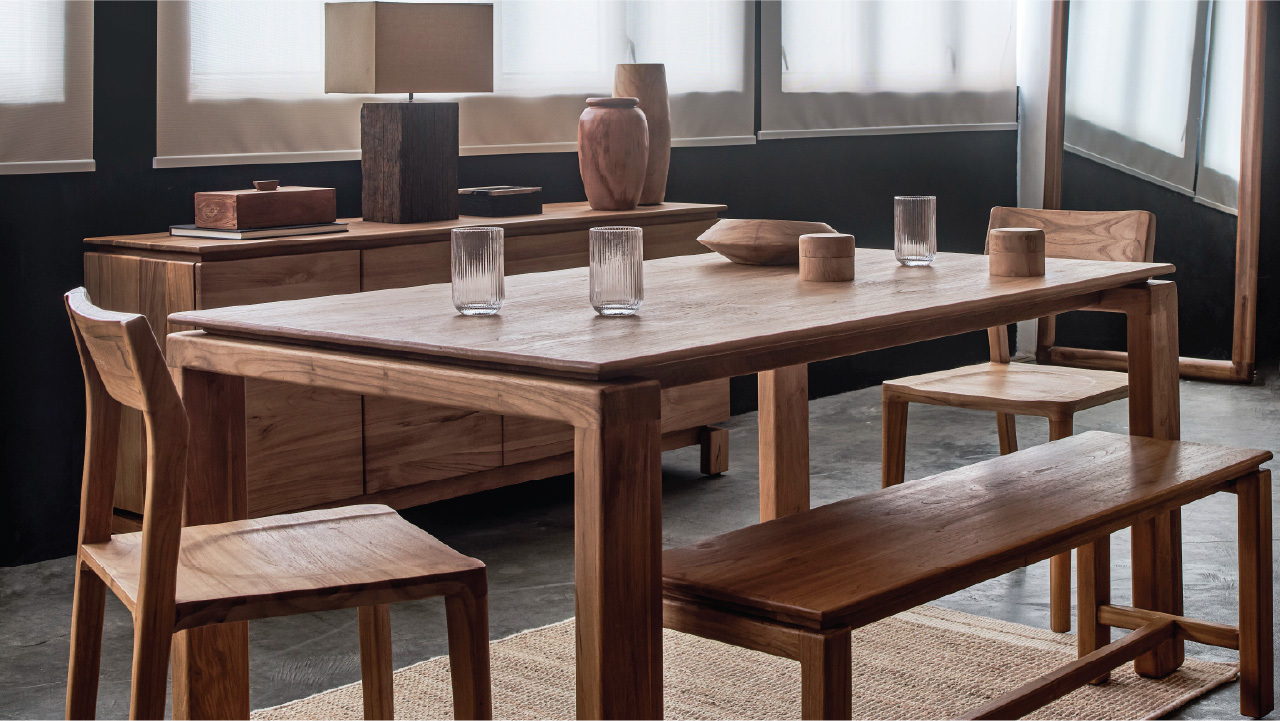
the four shapes at a glance
| shape | best room | pros | worth considering |
|---|---|---|---|
| rectangular | narrow or long | most seats per footprint; anchors the room | corners take space; very long tables can feel distant at the ends |
| round | square or open-plan | sociable; no hierarchy; soft feel | less surface area per diameter; large rounds lose intimacy |
| oval | most rooms | rectangular capacity with rounded edges; versatile | harder to judge scale online than in person |
| square | square rooms | symmetrical; tucks neatly into corners | corner seats have less elbow room |
we cover the round vs rectangular question in more depth in our guide to dining table shapes.
2. size and space: how much room do you need?
once you know your shape, size is the next decision. planning your dining area isn’t just about considering how much space your table takes up: you’ll also want to factor the chairs around it, the people in those chairs, as well as enough clearance behind each seat to pull out and move past comfortably.
key measurements for Hong Kong apartments
80cm
minimum clearance: table edge to wall
90cm
comfortable clearance, or main walkway
75–78cm
standard table height; all TREE dining tables
76–80cm
standard HK doorframe width: check before ordering
we find that most customers that visit our shop floor come prepared knowing their room measurements, and have an idea of what size and shape will work best for their space. above are some of the key measurements that you may want to keep in mind finding your perfect table. if you plan to visit us, be sure to bring your floor plan (with your preferred option on where you want to place your dining table) and we can make recommendations.
before you purchase your piece, mark the table footprint on the floor with masking tape and live with it for a day: walking around it is the most reliable way to sense whether the size will feel right. depending on what you decide on, we can also advise on the piece’s accessibility: a lot of our dining tables come with detachable legs and thus are surprisingly able to get through most lifts and stairwells. our team can also deliver pieces to residences with walk-ups at an additional charge – for more details, check out our shipping & delivery page.
dining table sizes compared
| size | shape | seats daily | seats hosting | suited to |
|---|---|---|---|---|
| 60–80 cm diameter | round | 2–3 | 3 | studios and very compact apartments |
| 100–120 cm | round or square | 4 | 4 | couples; small families with limited space |
| 120–140 cm | rectangular or oval | 4 | 6 | most Hong Kong apartments |
| 160–180 cm | rectangular | 6 | 8 | families who host regularly |
| 200 cm+ | rectangular | 8 | 8–10 | larger dining rooms and open-plan spaces |
| 120–300 cm extendable | rectangular or round | 4–6 (compact) | 8–12 (extended) | most Hong Kong homes; maximum versatility |
3. fixed or extendable: which is right for a Hong Kong home?
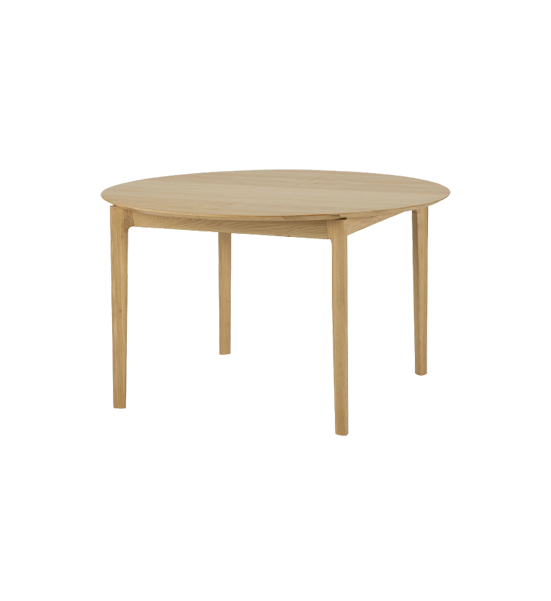
this is the question we hear more than any other, and in most Hong Kong apartments the answer leans strongly towards extendable if space permits: the daily footprint advantage in a compact home is hard to argue with.
an extendable table lets you live with a sensibly sized piece day to day, typically 120 cm to 140 cm, and expand it to 180 cm or 220 cm (or even up to 300 cm for a larger sized option) when you need the space. if you typically dine as a group of two or four most evenings, but love to host large gatherings of ten people for holidays or special occasions, you get the daily efficiency of a compact table without giving up capacity when it counts.
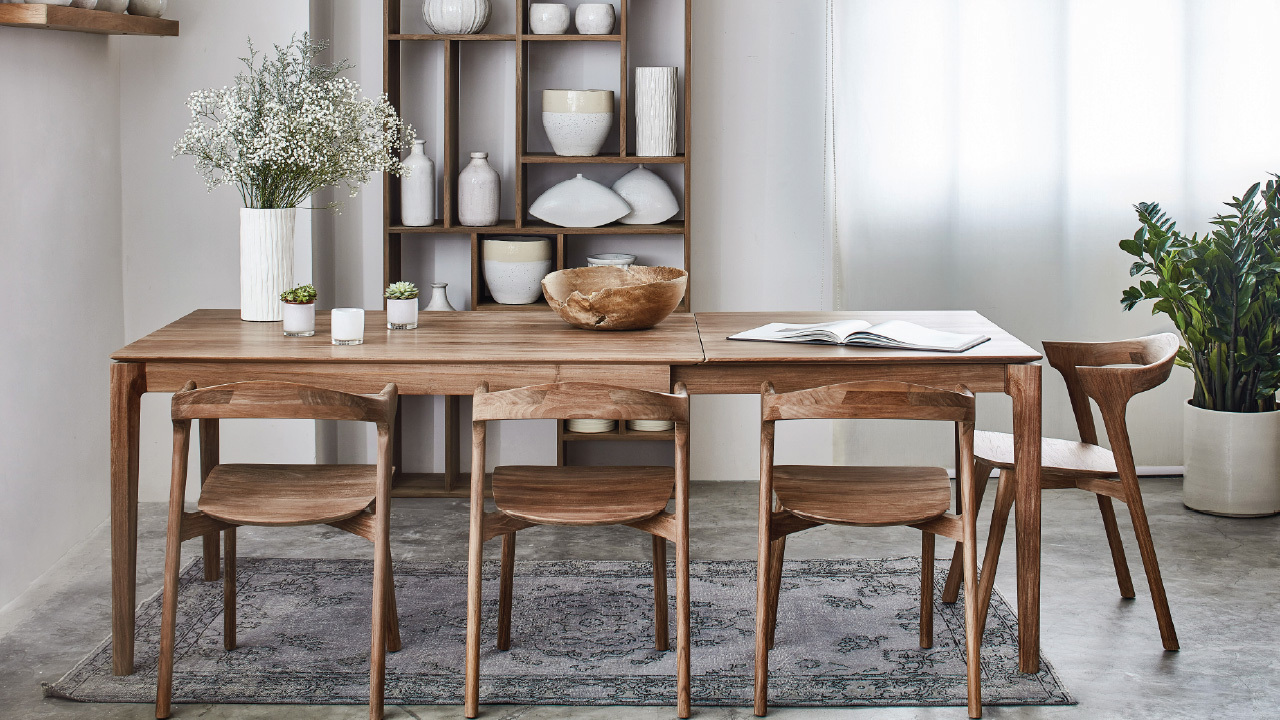
most of our extendable tables use high-quality European mechanisms that allow each piece to expand with incredible ease, and that one person can operate in moments without any tools. the extended table feels as solid as the fixed version, with wooden grains that seamlessly align to ensure it looks like one cohesive piece. our unique butterfly system also means that the extension is integrated into the design, and is cleverly concealed in its standard configuration. many of our customers come to our showroom with a static dining table in mind, but often change their mind once they experience the ease of our extendable tables and see how it can easily accommodate larger parties when needed.
the most popular configurations in our range start at around 200 cm and extend to 300 cm; we also stock options from 120 cm for homes where the daily footprint is the main constraint.
we find that our extendable tables are a wonderful option for those who frequently work from home. the extension provides some much needed additional space that can be used as an office setup, or even as a corner for the little ones to do crafts or homework.
fixed tables make sense when your household size is consistent, your dining room is genuinely large enough for a full-size table permanently, or you prefer the visual simplicity of a design without a mechanism. solid wood fixed tables also give you the widest choice of shape and size in our range, and our custom-made reclaimed teak options are built to your exact specification.
the Hong Kong case for extendable
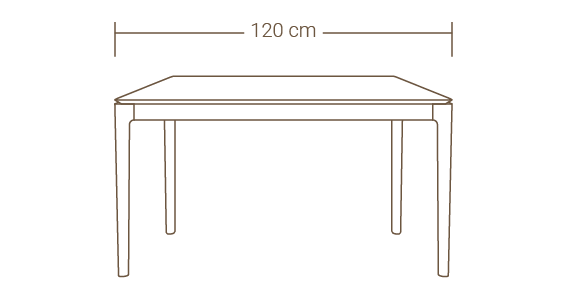
120cm
every day
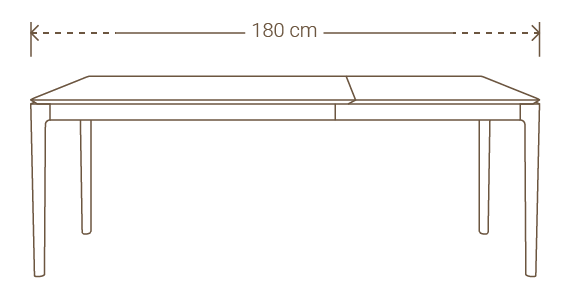
180cm
when it counts
one table, two lives: the compact footprint you need for 363 days, and the capacity you need for the other two. pair with stackable chairs or stools, which allow you to maximise space when they’re not needed.
fixed vs extendable: the practical comparison
| fixed | extendable | |
|---|---|---|
| best for | consistent group size; larger rooms; custom shapes | Hong Kong apartments; households that grow or host |
| everyday size | full footprint always | compact daily, typically 120–140 cm |
| max capacity | set by table length | expands to 240–300 cm for 8–12 seats |
| mechanism | none | European mechanism; single-person operation, no tools |
| materials at TREE | reclaimed teak, FSC™ teak, European oak, American walnut | reclaimed teak, FSC™ teak, European oak (incl. black stain) |
| refurbishment | yes: sand and refinish if marked | yes: same benefit applies |
| custom-made | yes, in reclaimed teak | n/a |
shop extendable dining tables


4. wood and material: what performs best in Hong Kong
in Hong Kong, material choice is both an aesthetic decision and a climate one. solid wood expands and contracts with changes in humidity, and Hong Kong’s subtropical conditions put real demands on furniture. the solid woods we work with are among the best-performing natural materials for this climate, and how your table is finished matters as much as which wood it is.
most of our dining tables are finished with natural oil or water-based protection: breathable finishes that let the wood respond gradually to humidity changes rather than sealing it entirely. we don’t recommend furniture with plastic lacquers as they trap moisture inside the wood and are difficult to repair. with our solid wood dining tables, you can spot-treat and top up a breathable finish at home; a lacquered surface has to be stripped and recoated, which is recommended to be done professionally (and can be costly) as it can be difficult to do at home. for a long-term purchase in a humid climate, that difference is worth understanding before you buy.
the materials we work with
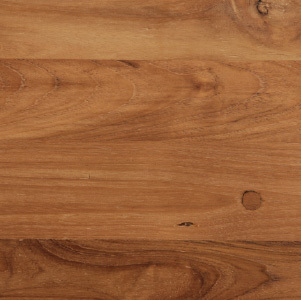
reclaimed teak
weathered surfaces, elegant textures and original markings. salvaged timber: no new trees felled.
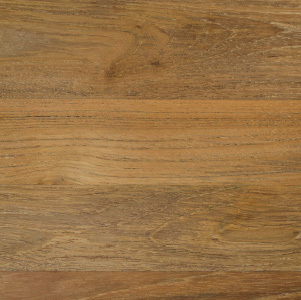
FSC™-certified teak
consistent golden-brown tones and a cleaner, more uniform grain. FSC™-certified forest management.
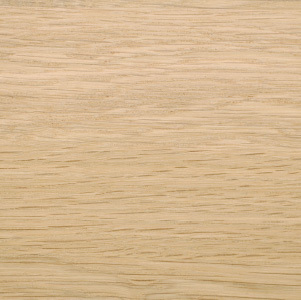
European & American oak
light, creamy tones with subtle golden-brown grain and a fine, even texture that works naturally in japandi and minimalist interiors.
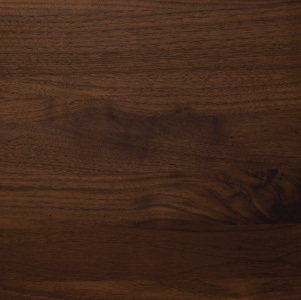
American walnut
deep chocolatey tones interspersed with ripples of lighter honey. a dense, stable hardwood.
reclaimed teak. we work closely with our longstanding partner, dBodhi, who designs many of our reclaimed teak collections. the wood is salvaged from century-old Indonesian houses, which is sold and is properly documented to ensure it meets the strict rules governing the sale of this precious resource. the wood is then hand-sorted by craftsman before they are repurposed into sustainably stylish furniture. with weathered surfaces, elegant textures and original markings, each piece is brimming with character, history, and is truly one of a kind.
having undergone centuries of natural expansion and contraction in tropical conditions, reclaimed teak tends to be denser and more climate-stable than plantation-grown timber, making it particularly well suited to Hong Kong’s humidity swings. opt for reclaimed teak if you want to achieve a rustic, wabi sabi inspired or industrial aesthetic. salvaged timber: no new trees felled; carbon stored for its lifetime.
FSC™-certified solid teak. boasts consistent golden-brown tones and a cleaner, more uniform grain, so you get teak’s warmth, density and natural moisture resistance with a more even look. FSC™ certification means that the wood comes from responsibly managed forests that are independently verified. this wood works wonderfully if you prefer classic and contemporary interiors. learn more about FSC™ and our sustainability efforts.
oak. our European and American oak have light, creamy tones with subtle golden-brown grain and a fine, even texture that works naturally in japandi and minimalist interiors. it’s prized for strength, stability, and a smooth surface that ages with a gentle warmth over the years. prefer something a little bolder? we also offer black stained solid European oak, which will certainly make an impact in your space with its dark finish.
American walnut. for those who love a rich, dramatic look, consider walnut wood, which has deep chocolatey tones interspersed with ripples of lighter honey. it is a dense, stable hardwood that complements contemporary and mid-century interiors alike.
materials at a glance
| material | appearance | best style | HK suitability | sustainability |
|---|---|---|---|---|
| reclaimed teak | warm, weathered; every piece unique | rustic, wabi sabi, industrial | excellent: treated for HK conditions | salvaged: no new trees felled |
| FSC™-certified teak | golden-brown; consistent grain | classic, contemporary | excellent | FSC™-certified forest management |
| European and American oak | light creamy tones; fine grain | japandi, minimalist, scandi | excellent: treated for HK conditions | sustainably, responsibly sourced |
| American walnut | deep chocolate; honey ripples | contemporary, mid-century | excellent | sustainably, responsibly sourced |
5. chairs, benches, or both?
while most people choose their dining table first, it’s important to also consider seating (especially in a compact Hong Kong home) as this also has an impact on how much floor space is taken up.
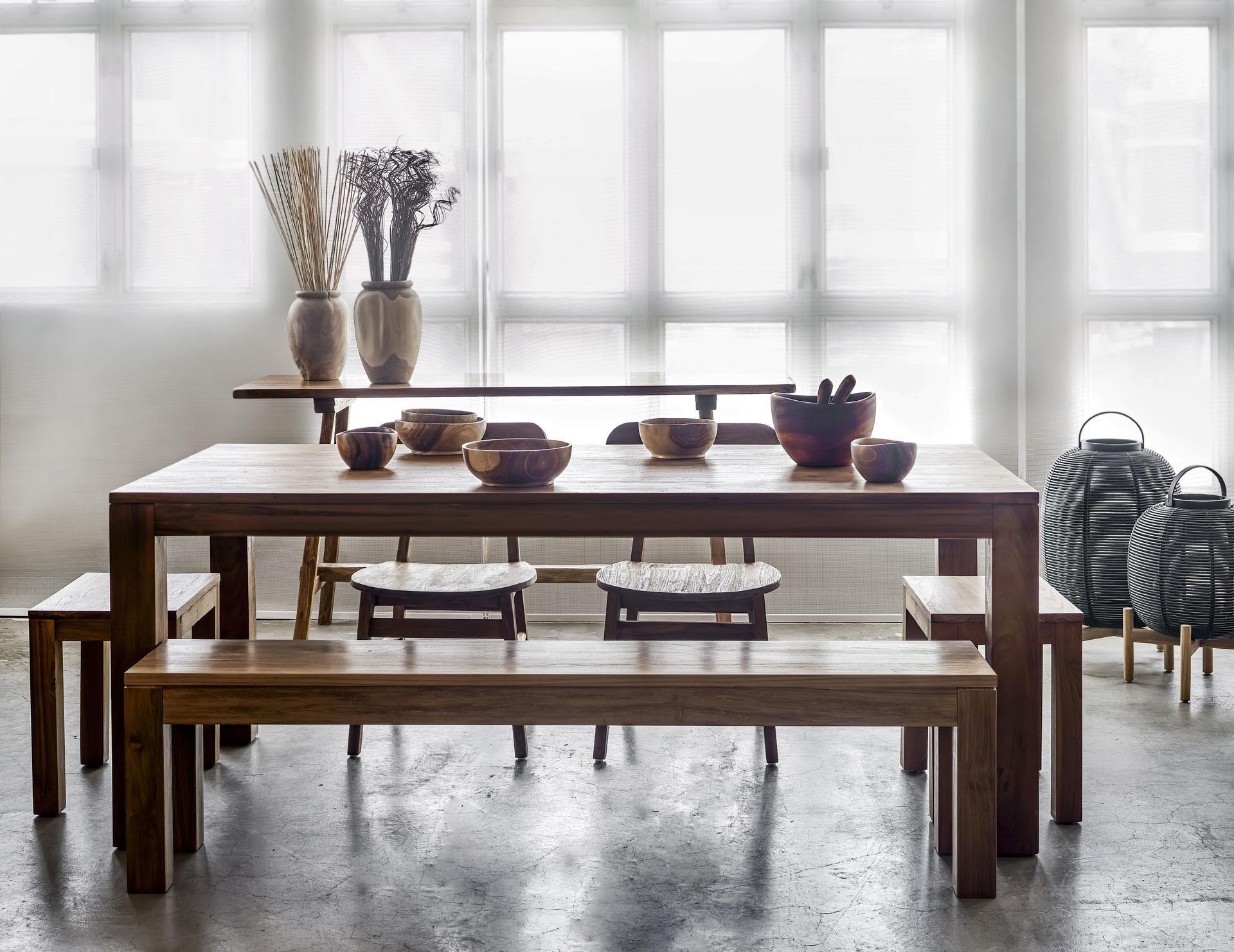
a bench slides completely under the table when nobody is sitting at it, but chairs don’t. in a dining room where your table sits close to a walkway or the kitchen, that difference is the difference between a space that flows and one that always feels slightly cluttered. a bench on one side with chairs on the other is the combination many of our customers land on: it maximises seating when you need it and keeps the room open when you don’t.
the choice between solid wood chairs and upholstered ones is partly about comfort and partly about how you use the table. solid wood chairs are easy to wipe clean, durable under daily use, and tend to age as well as the table itself. upholstered chairs are more comfortable for longer meals and add softness to an otherwise hard-edged dining setup. most of our upholstered options can be specified in a fabric that handles regular use well; ask our team about fabric grades when you visit.
before you decide, confirm that the chair seat height works with your table height. all our dining tables sit at 75–78 cm, and our dining chairs have seat heights of 45–50 cm, which pairs correctly with our table heights. if you’re buying chairs elsewhere, check that the seat height falls in the same range before committing.
Kate Babington, Managing Director at TREE
“what I love most about solid wood dining tables are their inherent timelessness, and how easily they pair with a variety of aesthetics. our chairs come in an array of designs, which can be easily mixed and matched to create an individual dining setting that’s completely tailored to you.”
6. caring for your solid wood dining table in Hong Kong
solid wood is more straightforward to care for than most people expect, and more forgiving than glass, marble or lacquered surfaces. all our dining tables use natural oil or water-based protection, which lets the timber breathe and adapt gradually to humidity changes. in Hong Kong, this matters: plastic lacquers can seal the wood entirely, trap moisture inside, and are difficult to repair when they crack. you can spot-treat and top up a natural oil or water-based finish at home. it’s also why our tables can be sanded and refinished if they get badly marked, giving you decades of useful life rather than a few years before replacement.
Hong Kong · Spring care
Spring in Hong Kong can get particularly humid: these weather conditions result in indoor humidity spiking above 90% during this period, and that is when your solid wood furniture needs a little extra care.
our team is always happy to talk through what this looks like for your specific home.
while the Spring season tends to bring a lot of condensation, the main watch point is the opposite: if you run home heating during the cooler months (November to March) the air can become very dry and solid wood can contract. placing a cup of water near the table helps maintain ambient humidity.
the questions we hear the most from our customers are always about maintenance and stain. a slightly damp cloth removes dust and spills, and natural soap handles tougher marks. that said, always use coasters and placemats; the water-resistant finish protects against everyday moisture but won’t prevent water rings or heat marks from forming. we also provide a comprehensive TREEtment manual which tells you everything you need to know about looking after your piece.
if your table gets scratched or marked over the years, it can be sanded back and refinished without replacing the piece, which is a significant practical advantage over most other dining table materials.
practical care tips
- daily cleaning: wipe with a slightly damp cloth; use natural soap for tougher marks. avoid silicone-based spray polishes, which build up on oiled finishes over time.
- protect the surface: always use coasters and placemats: the finish handles moisture, but not heat or pooled water.
- keep conditions dry (Spring): run a dehumidifier to keep indoor humidity between 50% and 60% during this particular season.
- temperature consistency: solid wood is happiest with stable temperature and humidity; try not to position the table directly in an air conditioning draught, which can create localised dry spots.
- scratches and marks: solid wood can be sanded and refinished; contact us for guidance before attempting this yourself.
for full guidance, the TREEtment manual covers everything in detail. download it on our after care page.
what size dining table do I need for 4 people?
for four people dining regularly, a table of 100–120 cm works comfortably for everyday meals. if you want flexibility for the occasional extra guest, a 120–140 cm rectangular table or a 120 cm extendable table gives you the practicality you need day to day and room to grow when you need it. allow at least 60 cm of table width per person for comfortable seating.
how much space should I leave around a dining table?
allow a minimum of 90 cm on every side where someone will be seated: enough for the chair to pull out and for a person to walk past comfortably. 75 cm is workable if the space is genuinely tight, but 90 cm is what we’d recommend. on sides where nobody sits, 60 cm of clearance is sufficient. in Hong Kong, 80 cm is the accepted minimum in practice, if space allows.
is reclaimed teak or European oak better for a dining table?
they suit different things. reclaimed teak has more visual character: the weathered grain and natural markings make each piece unique, and it works well in warmer, more textural interiors. European oak has a lighter, finer grain that suits minimalist and japandi aesthetics. both are durable solid woods treated for Hong Kong conditions, so the decision comes down to the look you want for your room.
are extendable dining tables worth it in Hong Kong?
in most Hong Kong apartments, an extendable table is worth the investment. a well-made extendable table gives you a compact everyday footprint, typically 120–140 cm, with the ability to seat 8–12 when needed, and the European mechanisms in our range operate smoothly with one person. the higher initial cost compared to a fixed table of the same size is, in most cases, offset by the versatility and the floor space you recover every day.
can solid wood furniture handle Hong Kong humidity?
it handles Hong Kong conditions very well. all the solid wood products in our range are treated during sourcing and production specifically to perform here, and wood is a natural material that responds well to its environment with a little maintenance. we have been selling solid wood furniture in Hong Kong for over 20 years and are confident in its functionality and repairability; we would not carry materials that didn’t work in this climate.
does the shape of a dining table affect how many people it seats?
rectangular tables seat the most people for their footprint, because you can place seats along both long sides and both short ends. a 160 cm rectangular table seats 6–8 people; a 160 cm round table seats 6 but feels more sociable because everyone is equidistant. oval tables give you rectangular capacity with a softer, rounder feel. square tables work best for groups of 4. if seating capacity is your priority, rectangular or extendable rectangular is the most efficient choice; if conversation flow matters more, round or oval is worth considering.
can I mix dining chairs and a bench at the same table?
yes, and in Hong Kong it’s often the most practical arrangement. a bench on one side slides fully under the table when not in use, freeing floor space, while chairs on the remaining sides give individual back support and are easier to move. using a mixture of chairs and a bench will also give your dining setting a more eclectic look, and the combination works particularly well with rectangular tables. the main thing to check is that the bench seat height is close to your chair seat height: both should sit in the 45–50 cm range for a 75–78 cm table.